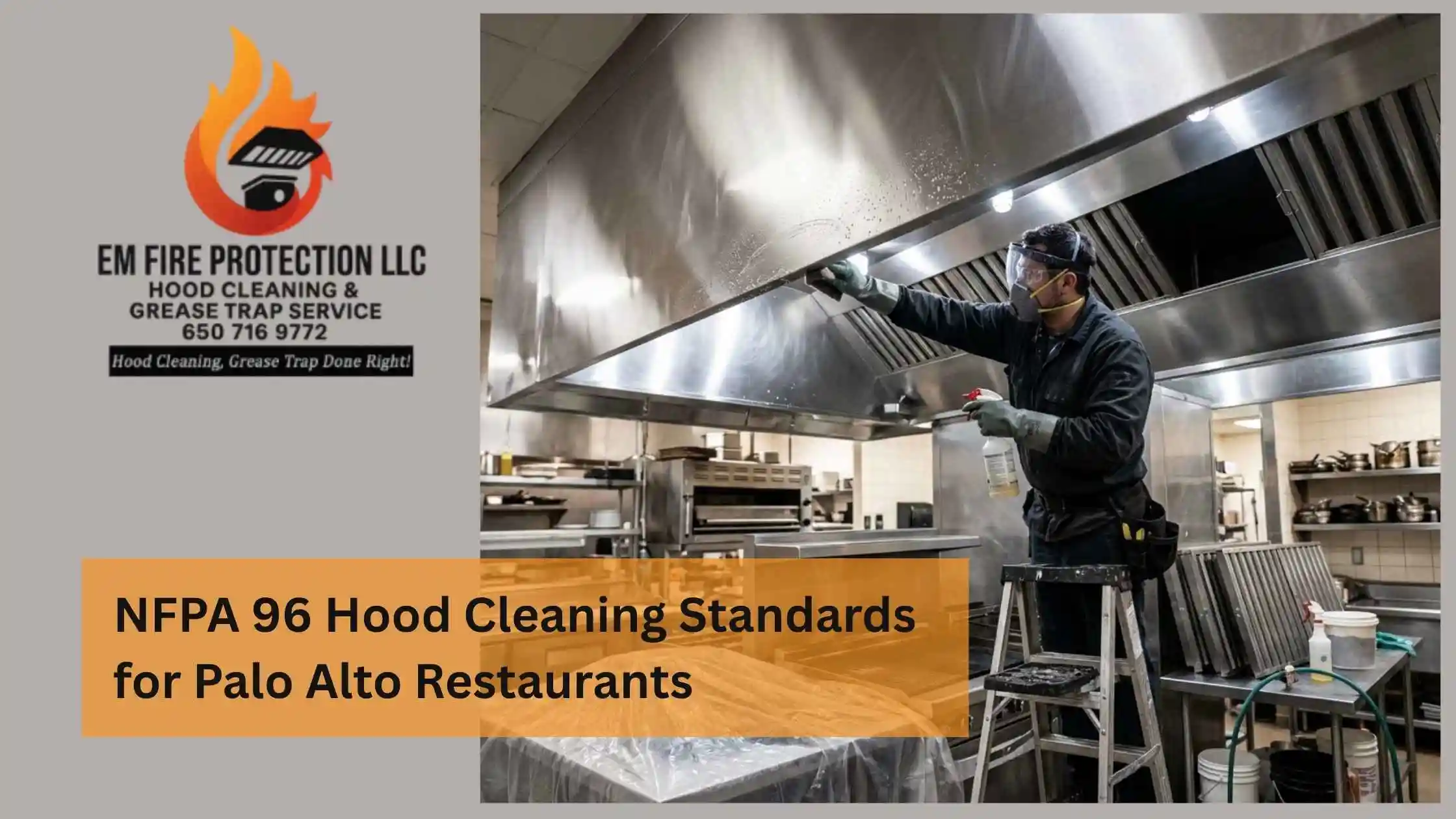
NFPA 96 Hood Cleaning Standards for Palo Alto Restaurants
Palo Alto restaurants depend on safe, well-maintained commercial kitchens to serve customers efficiently. However, cooking produces grease-laden vapors that can leave combustible deposits
Palo Alto restaurants depend on safe, well-maintained commercial kitchens to serve customers efficiently. However, cooking produces grease-laden vapors that can leave combustible deposits
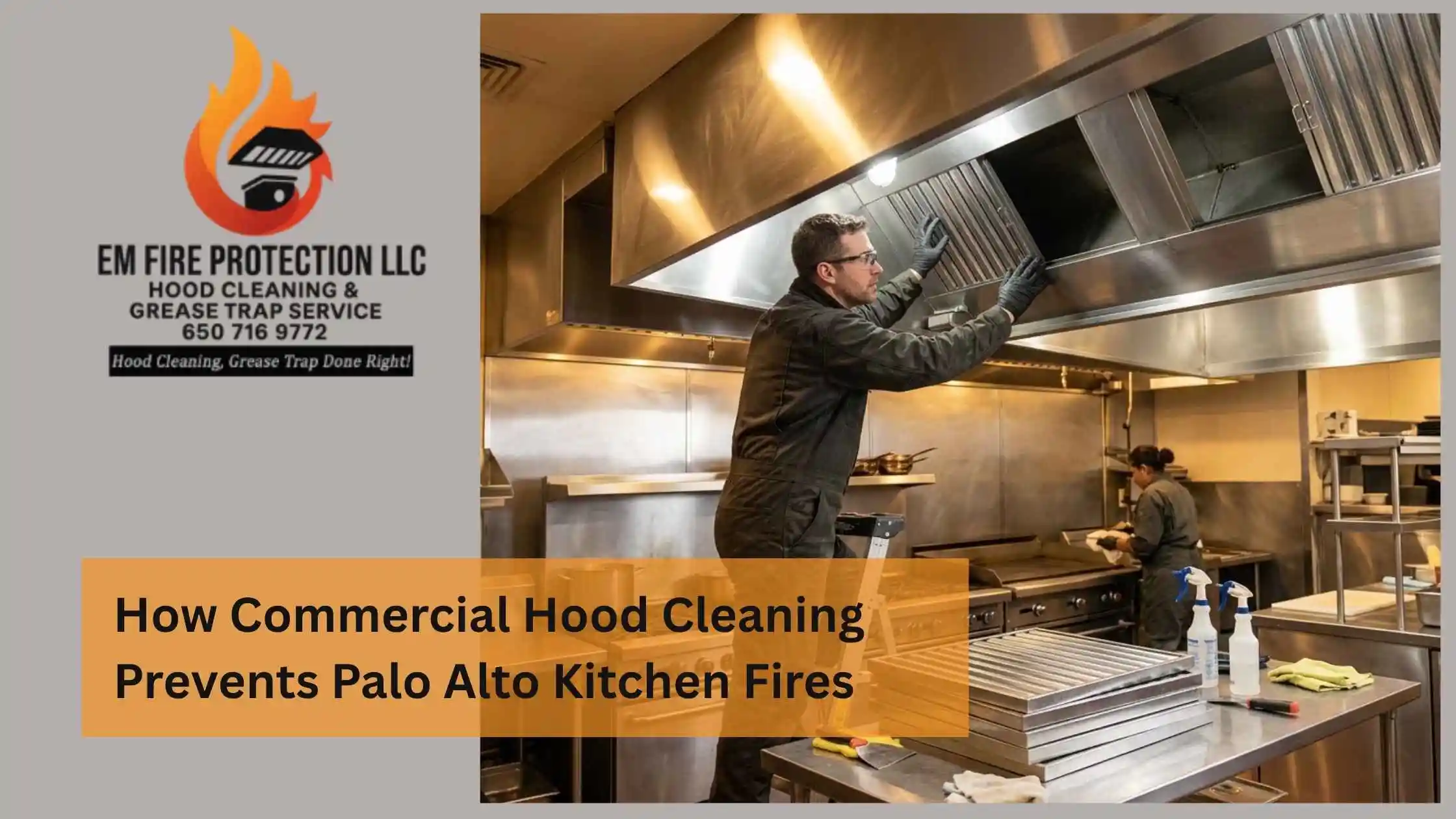
Commercial kitchens in Palo Alto face an ongoing Kitchen Fires challenge: grease buildup inside kitchen exhaust hoods, filters, ducts, and exhaust fans. Busy
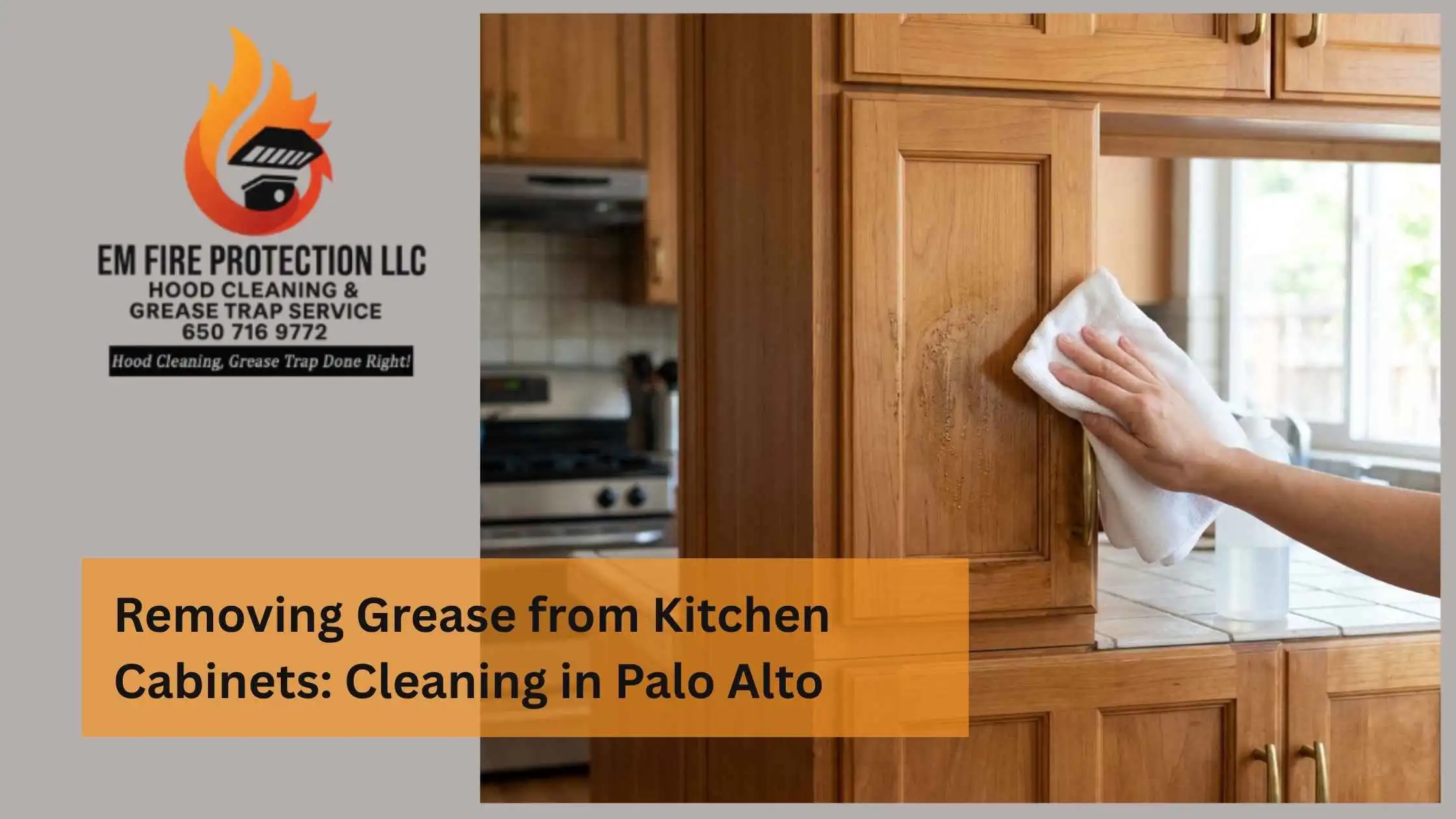
Palo Alto restaurants and commercial kitchens deal with grease every day. Cooking oils, fats, food residue, and airborne grease can settle on cabinet
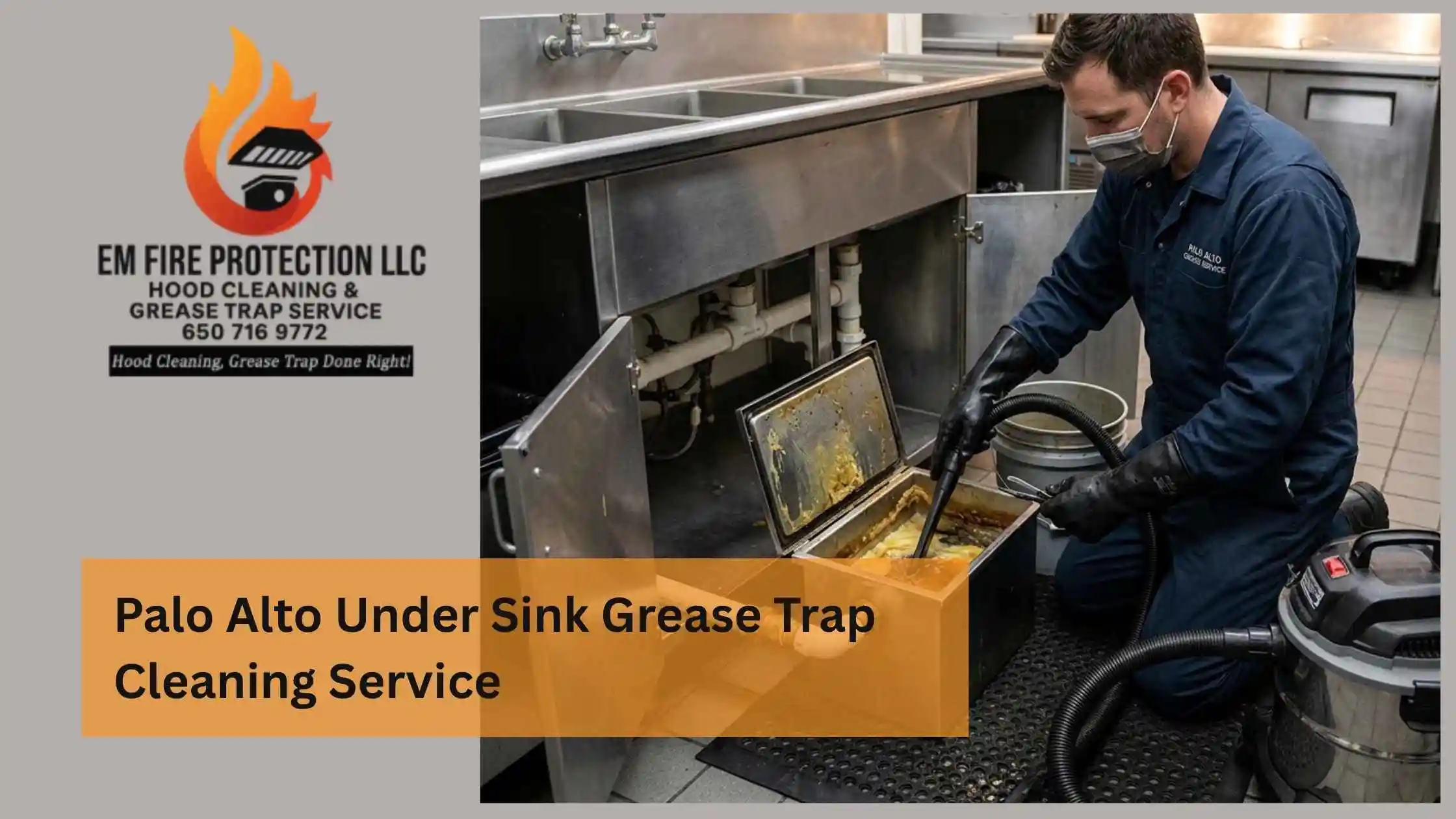
Palo Alto restaurants and commercial kitchens face a constant plumbing challenge: managing the fats, oils, and grease produced during daily food preparation. Many
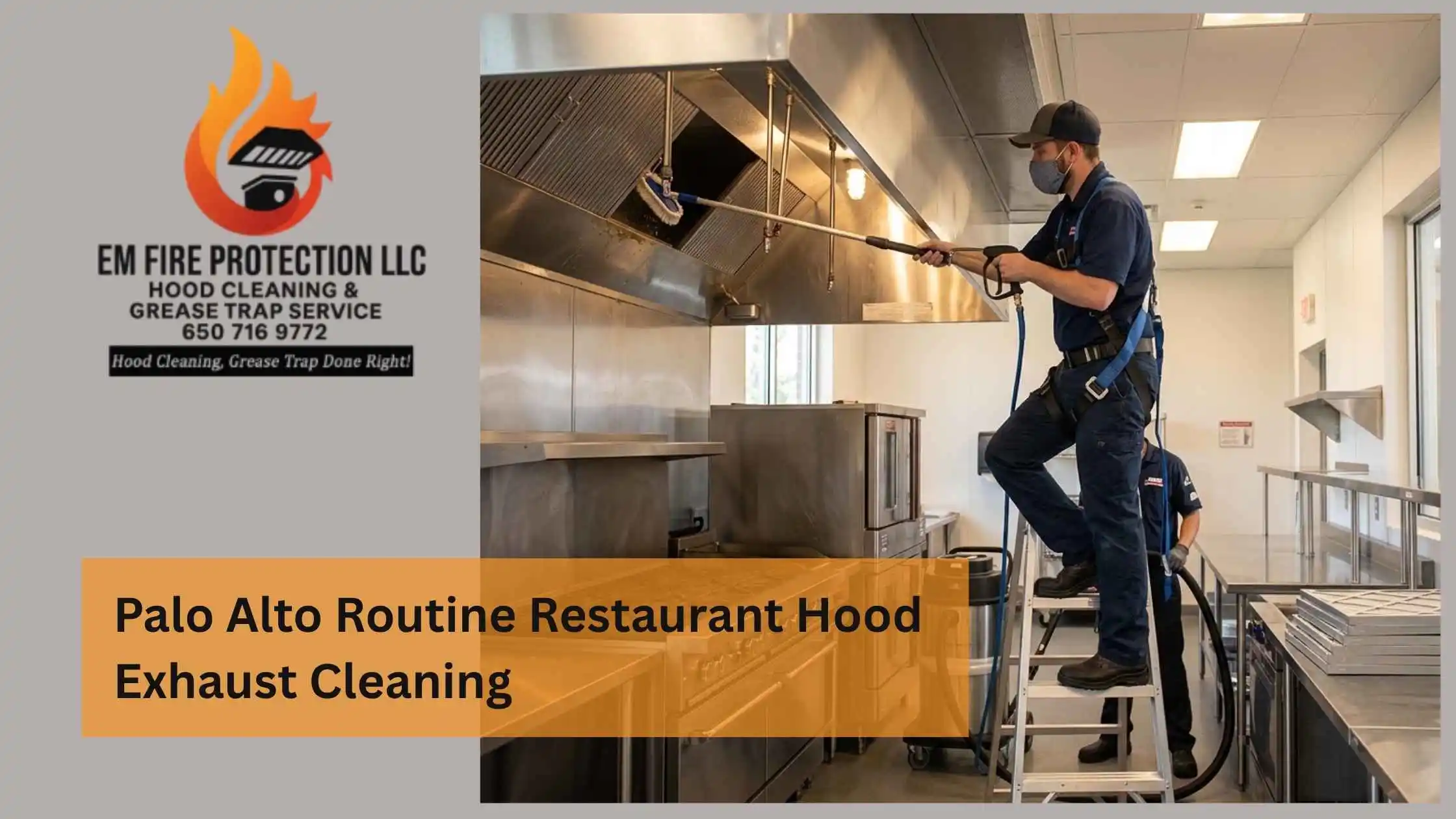
Restaurants in Palo Alto depend on commercial cooking equipment every day, but busy kitchens also create a local maintenance challenge: grease, smoke, steam,
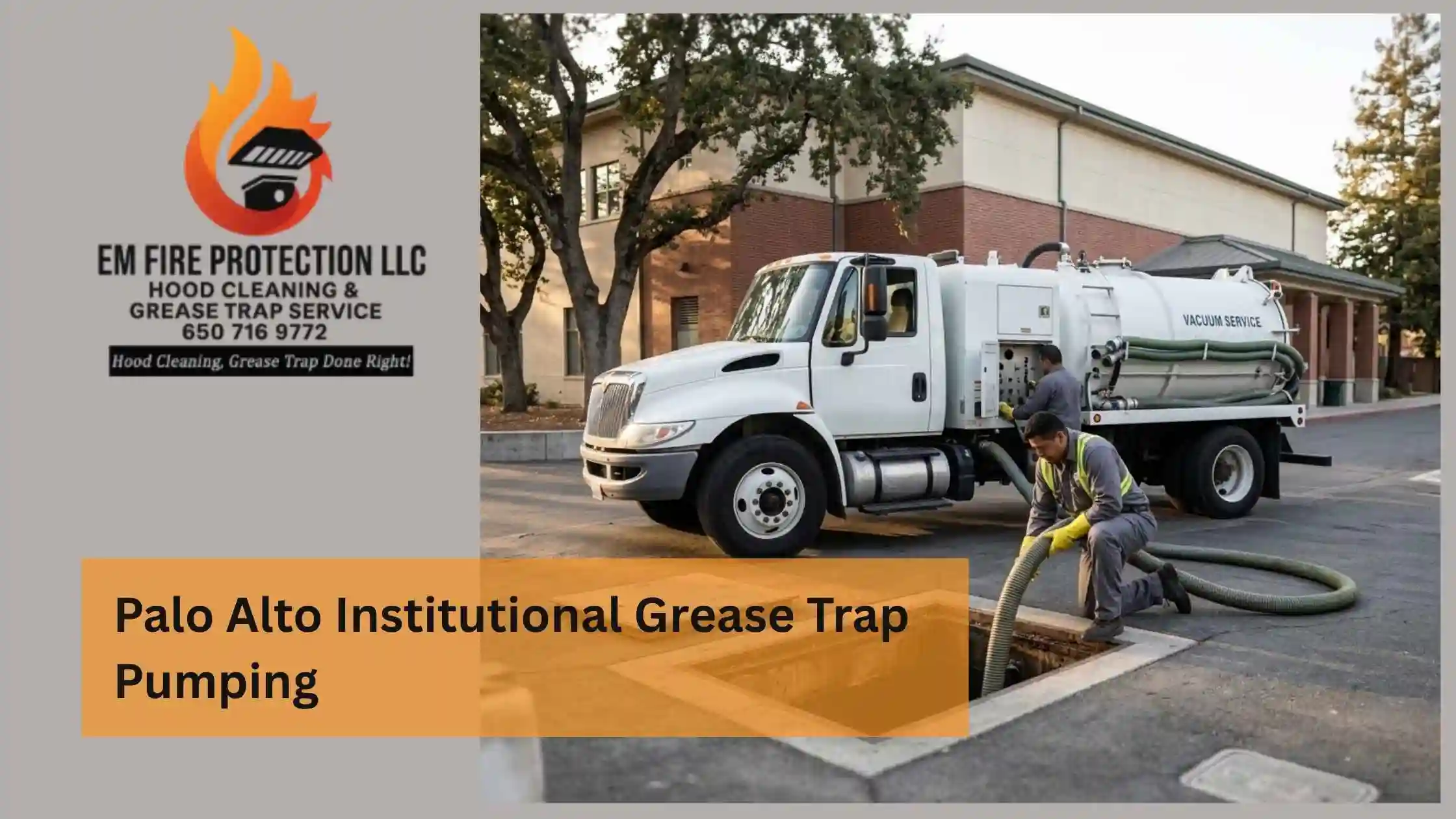
Palo Alto institutions with commercial kitchens face a unique challenge: keeping high-volume food-service operations running while preventing fats, oils, and grease from entering

San Jose restaurants operate in a fast-paced environment where food quality, customer satisfaction, and safety all go hand in hand. One of the

Industrial kitchens and high-volume food service facilities in San Jose generate large amounts of fats, oils, and grease (FOG) every day. Without routine

San Jose’s thriving restaurant industry depends on clean, safe, and efficient commercial kitchens. Whether you operate a busy restaurant, café, hotel kitchen, school

Restaurants and commercial kitchens in San Jose generate large amounts of fats, oils, and grease (FOG) every day. While grease traps are designed