Introduction
For restaurant owners and commercial kitchens across the San Francisco Peninsula, maintaining a clean and safe cooking environment is crucial. One often-overlooked but critical aspect is hood cleaning. Not only does it ensure fire safety, but it also plays a key role in passing local fire code inspections.
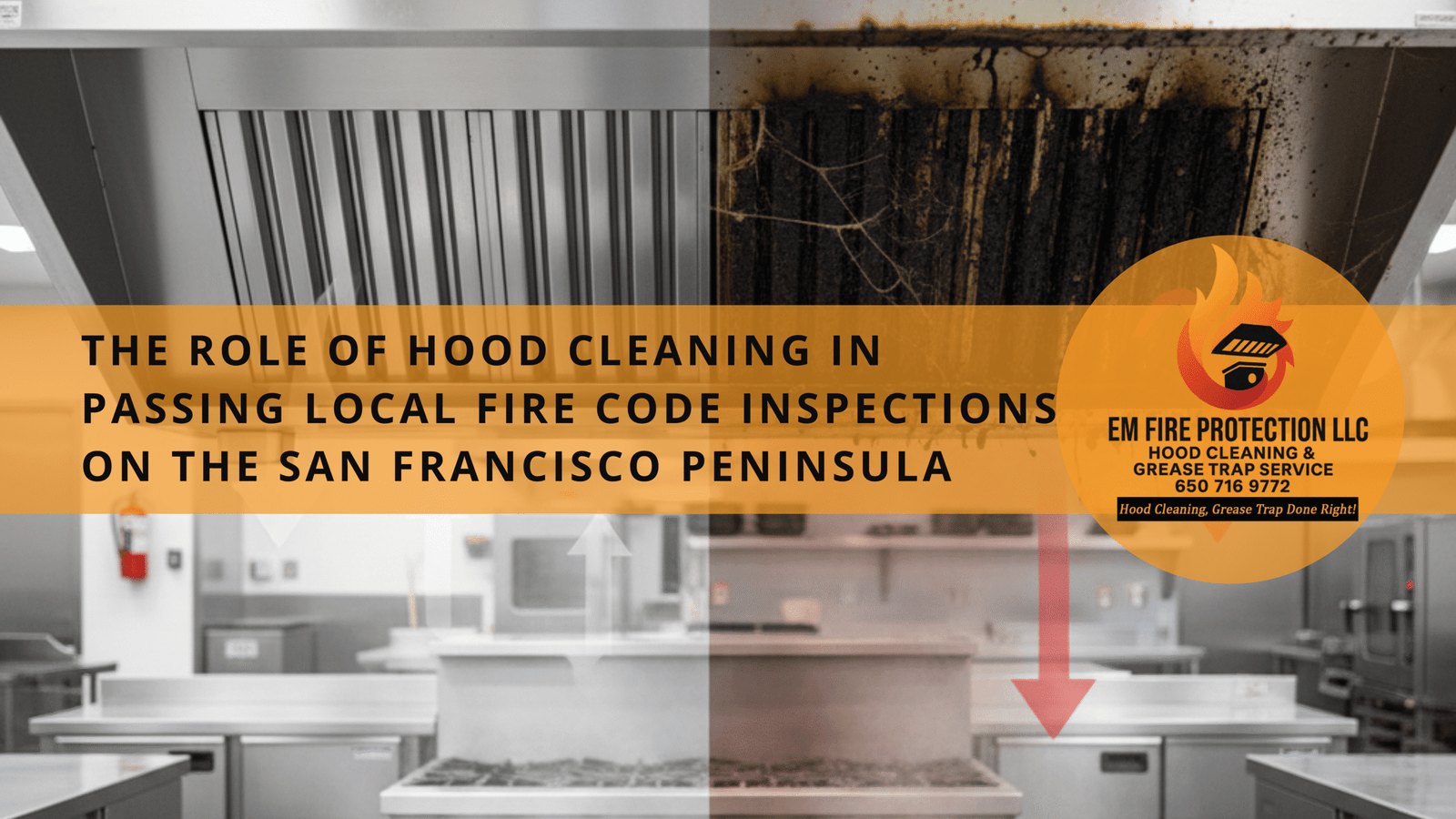
Grease buildup in kitchen hoods, vents, and ductwork is a major fire hazard. Local authorities closely monitor compliance with fire safety codes, and failure to maintain a clean hood system can result in fines, closure, or even devastating fires. This blog explains The Role of Hood Cleaning in Passing Local Fire Code Inspections on the San Francisco Peninsula.
What Is Hood Cleaning?
Hood cleaning involves the removal of grease, oil, and other residues from commercial kitchen hoods, vents, and ductwork. Over time, cooking operations produce grease-laden vapors that stick to surfaces, creating a fire risk if not regularly cleaned.
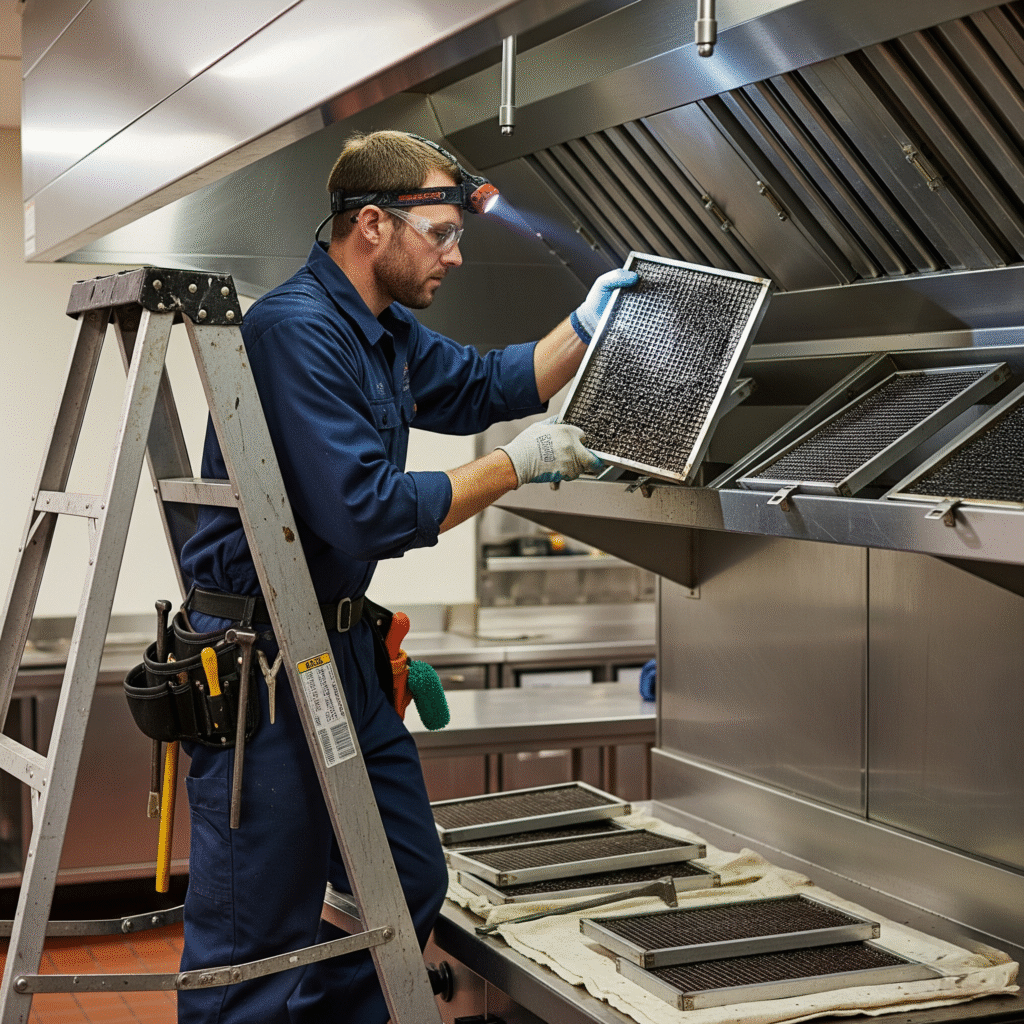
Professional hood cleaning services include:
- Hood filter cleaning
- Exhaust fan cleaning
- Ductwork cleaning
- Fire suppression system inspection and maintenance
Why Hood Cleaning Is Essential for Fire Safety
1. Prevents Kitchen Fires
Grease is highly flammable. Accumulated grease in hoods or ducts can ignite from heat or sparks. Regular cleaning drastically reduces the risk of fire, protecting staff, customers, and property.
2. Complies With Local Fire Codes
San Francisco Peninsula fire codes require commercial kitchens to maintain clean hoods and ducts. Certified hood cleaning ensures restaurants meet these standards and pass inspections.
3. Maintains Proper Ventilation
Clogged hoods restrict airflow, leading to heat buildup and smoke accumulation. Proper cleaning keeps ventilation systems efficient and effective.
4. Protects Insurance Coverage
Many insurance policies require proof of routine hood cleaning. Neglecting this maintenance may result in denied claims in case of a fire.
Frequency of Hood Cleaning
The required frequency depends on kitchen activity and local fire code requirements:
- High-volume kitchens (fast-food, 24-hour operations): every 1–3 months
- Medium-volume kitchens (restaurants, cafes): every 3–6 months
- Low-volume kitchens (small eateries): every 6–12 months
Certified hood cleaning services provide documentation of completed work, which is essential during fire code inspections.
Benefits Beyond Fire Code Compliance
1. Improved Air Quality
Removing grease and smoke buildup improves kitchen air quality, making the workspace safer and more comfortable for staff.
2. Enhanced Kitchen Efficiency
Clean hoods and ducts allow exhaust fans to operate at peak efficiency, reducing energy costs and preventing heat accumulation.
3. Extended Equipment Lifespan
Regular cleaning prevents corrosion and damage to hoods, fans, and ductwork, saving money on repairs and replacements.
4. Positive Health & Safety Perception
Maintaining a spotless kitchen demonstrates professionalism and commitment to safety, impressing inspectors and customers alike.
How to Choose a Professional Hood Cleaning Service on the San Francisco Peninsula
When selecting a service provider, consider:
- Certification & Compliance: Technicians should comply with NFPA (National Fire Protection Association) standards.
- Experience: Choose companies experienced with local fire code requirements.
- Documentation: Ensure the service provides inspection reports and certificates.
- Eco-Friendly Cleaning Options: Safe, non-toxic degreasers protect staff and equipment.
- Flexible Scheduling: After-hours service minimizes disruption to kitchen operations.
Tips for Maintaining Clean Hoods Between Professional Services
- Clean filters weekly or monthly, depending on cooking volume.
- Wipe exterior surfaces to remove grease splatters.
- Monitor exhaust airflow for signs of clogs or slow operation.
- Schedule inspections to catch issues before they become hazards.
Conclusion
For restaurants and commercial kitchens on the San Francisco Peninsula, hood cleaning is a critical factor in passing local fire code inspections. Regular, professional cleaning prevents fire hazards, ensures compliance, improves kitchen air quality, and extends the life of equipment. By prioritizing hood maintenance, kitchen operators protect their staff, customers, and business reputation.
Call to Action
Ensure your kitchen meets fire safety standards and stays safe year-round. Contact our certified hood cleaning professionals on the San Francisco Peninsula today for comprehensive cleaning services and documentation to pass your next fire code inspection with ease.