Maintaining a clean and safe kitchen is essential, especially for commercial establishments across the San Francisco Peninsula. One of the most critical yet often overlooked areas is the kitchen hood and exhaust system. Over time, grease, smoke, and grime accumulate, creating potential fire hazards and reducing ventilation efficiency. Hiring professional hood cleaning services is the best way to ensure compliance with health and safety standards. However, proper preparation before the professionals arrive can make the process smoother, faster, and more effective.
In this guide, we’ll walk you through how to prepare your kitchen for professional hood cleaning to ensure top-notch results and minimal downtime for your operations.
1. Understand Why Hood Cleaning Is Crucial
Before diving into preparation, it’s important to know why regular hood cleaning matters. Grease buildup inside the exhaust system can ignite easily, posing a serious fire risk. Moreover, a dirty hood reduces airflow, trapping smoke and odors in the kitchen.
Professional hood cleaning:
- Helps prevent kitchen fires.
- Improves air quality and ventilation.
- Ensures compliance with local fire and health codes.
- Extends the life of your hood and exhaust system.
If you operate a commercial kitchen in San Mateo, Palo Alto, or Redwood City, adhering to scheduled hood cleanings is not just recommended, it’s required by safety regulations.
2. Schedule Cleaning During Off-Hours
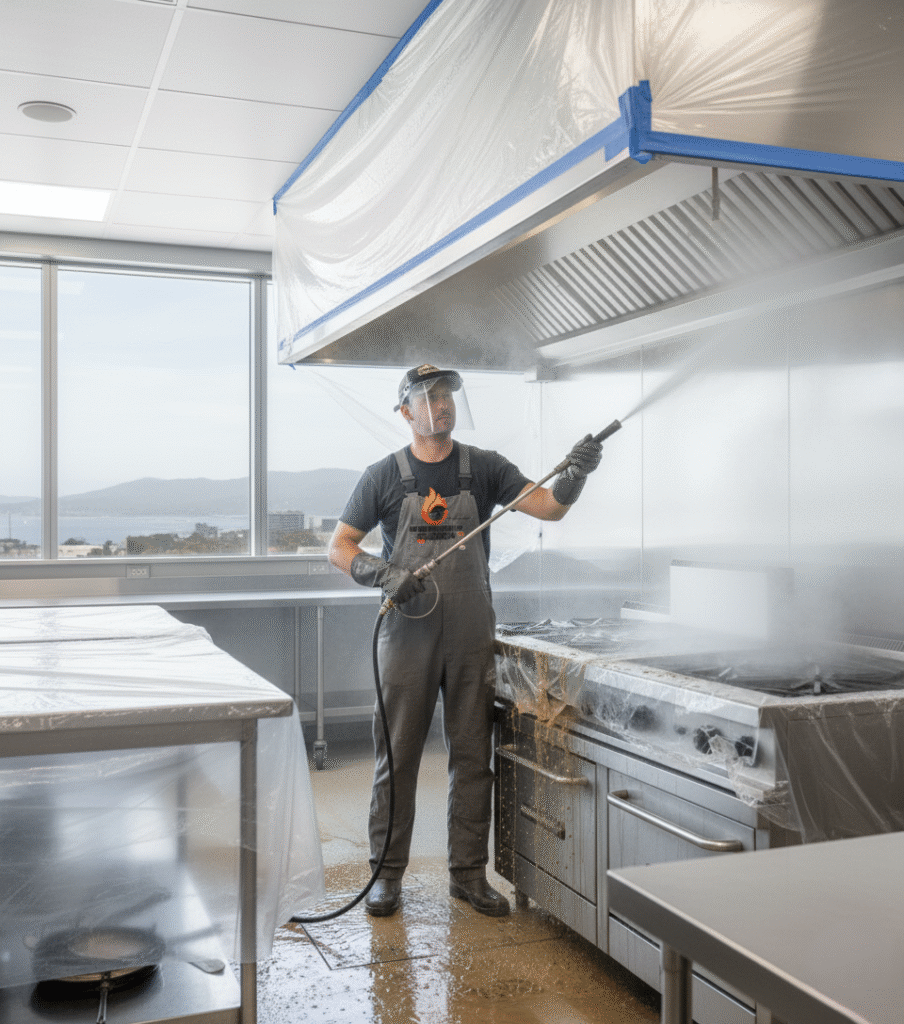
Professional hood cleaning involves thorough degreasing, water spraying, and sometimes partial disassembly of components. To minimize disruption, schedule the cleaning during off-hours or when your kitchen is closed.
Most service providers in the San Francisco Peninsula area offer flexible scheduling, even overnight options, to suit your business operations.
3. Clear the Area Around the Cooking Equipment
Before technicians arrive:
- Remove all pots, pans, and utensils from stovetops.
- Move mobile equipment (like fryers or prep tables) away from the hood area.
- Store any food items and disposable materials safely away from splash zones.
This not only ensures safety but also helps professionals access all parts of the hood system for a thorough cleaning.
4. Protect Surfaces and Electrical Equipment
Professional hood cleaning involves high-pressure washing and degreasing agents, which can cause splashing. To avoid damage:
- Cover nearby appliances with plastic sheets or tarps.
- Unplug electrical equipment near the hood.
- Shut off pilot lights and gas lines if instructed by your service provider.
This small preparation step goes a long way in preventing accidents or electrical issues during cleaning.
5. Notify Staff and Management
If you operate a restaurant or hotel kitchen, inform your staff about the cleaning schedule in advance. This ensures that everyone clears the area and that no one attempts to cook or clean simultaneously during the service.
Communication helps maintain safety and efficiency, especially when multiple departments (maintenance, management, and kitchen teams) are involved.
6. Ensure Proper Access to Water and Power
Professional cleaners typically need access to both hot water and electricity for their pressure washers and degreasing tools. Before they arrive:
- Confirm that hot water is available.
- Provide access to utility sinks if needed.
- Make sure circuit breakers or outlets are functioning properly.
This ensures the cleaning team can work efficiently without delays.
7. Review the Scope of Work
Every hood cleaning company offers slightly different services. Before the scheduled visit:
- Confirm whether they will clean the ducts, fans, and filters in addition to the hood canopy.
- Ask about post-cleaning inspection and certification (often required by local health inspectors).
- Verify the estimated completion time and downtime required before restarting kitchen operations.
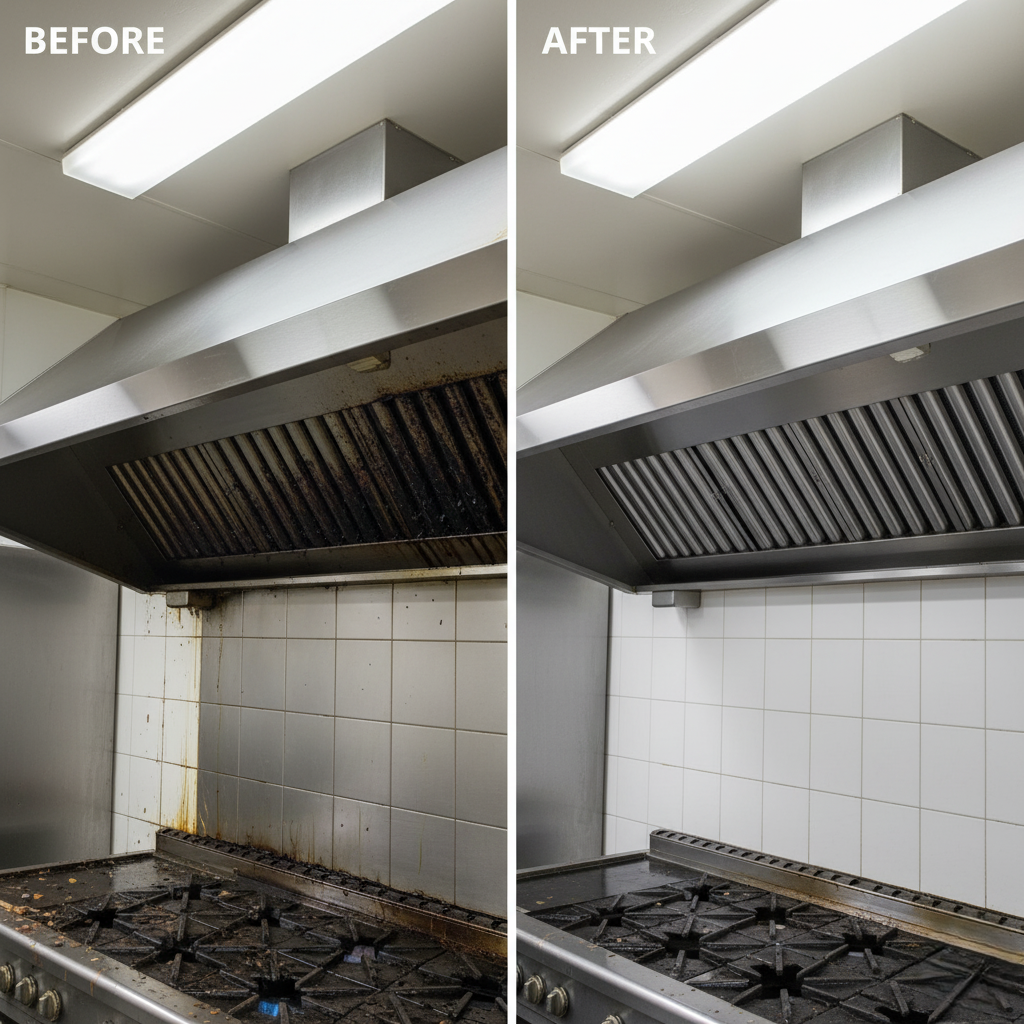
In the San Francisco Peninsula region, professional cleaners often provide a compliance report and before-and-after photos; make sure to request these for your records.
8. Post-Cleaning Steps: Inspection and Maintenance
After cleaning is complete:
- Inspect the area for cleanliness and any missed spots.
- Check filters and fan blades for proper reinstallation.
- Ensure that gas lines and pilot lights are safely reconnected.
- Keep a record of the service date and the next recommended cleaning.
Regular maintenance between professional cleanings, such as wiping down surfaces and replacing filters, can help keep your system running efficiently.
9. Work with a Certified Hood Cleaning Company
For kitchens in San Francisco, Daly City, or Menlo Park, it’s best to hire certified hood cleaning professionals familiar with local regulations. Look for companies that:
- Follow NFPA 96 (National Fire Protection Association) standards.
- We are licensed and insured.
- Offer inspection certificates recognized by fire departments and insurance companies.
Partnering with the right provider ensures peace of mind, compliance, and a cleaner, safer cooking environment.
Conclusion
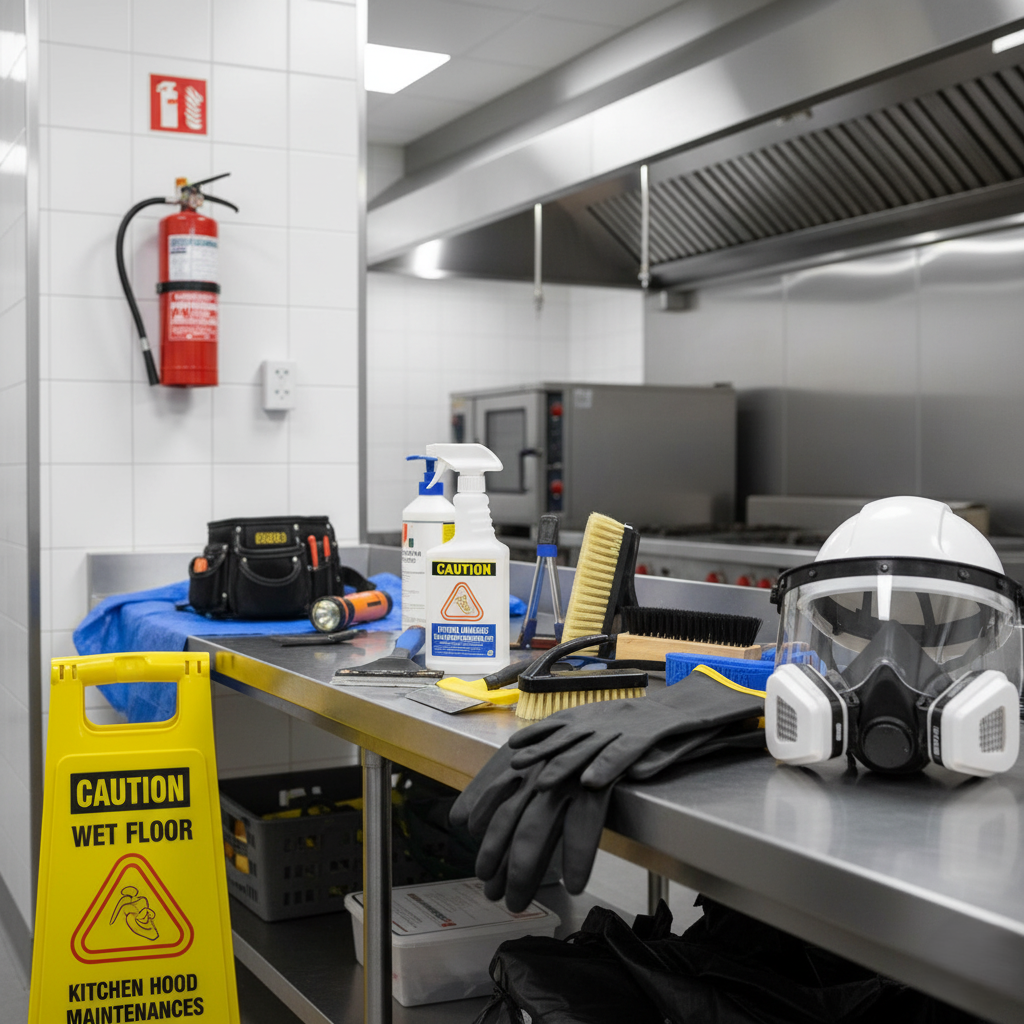
Preparing your kitchen for professional hood cleaning may seem like extra work, but it ensures better results, reduced downtime, and long-term safety. From clearing equipment to securing utilities, each step contributes to a more effective cleaning process.
Call to Action
Whether you run a bustling restaurant in San Francisco, a hotel kitchen in Burlingame, or a café in Palo Alto, professional hood cleaning is an investment in the safety and success of your business. Contact us today!