Introduction
A commercial kitchen is a fast-paced environment where safety, cleanliness, and compliance are non-negotiable. However, one area that often gets overlooked is kitchen hood maintenance. Dirty kitchen hoods not only create a fire hazard but can also directly impact your fire insurance premiums. Insurance companies view poorly maintained exhaust systems as high-risk, which can lead to increased rates or even policy cancellations.
In this blog, we’ll explore how dirty kitchen hoods can impact fire insurance premiums on the San Francisco Peninsula, why insurers are strict about hood cleaning, and how you can save money by maintaining your system properly.
The Role of Kitchen Hoods in Fire Prevention
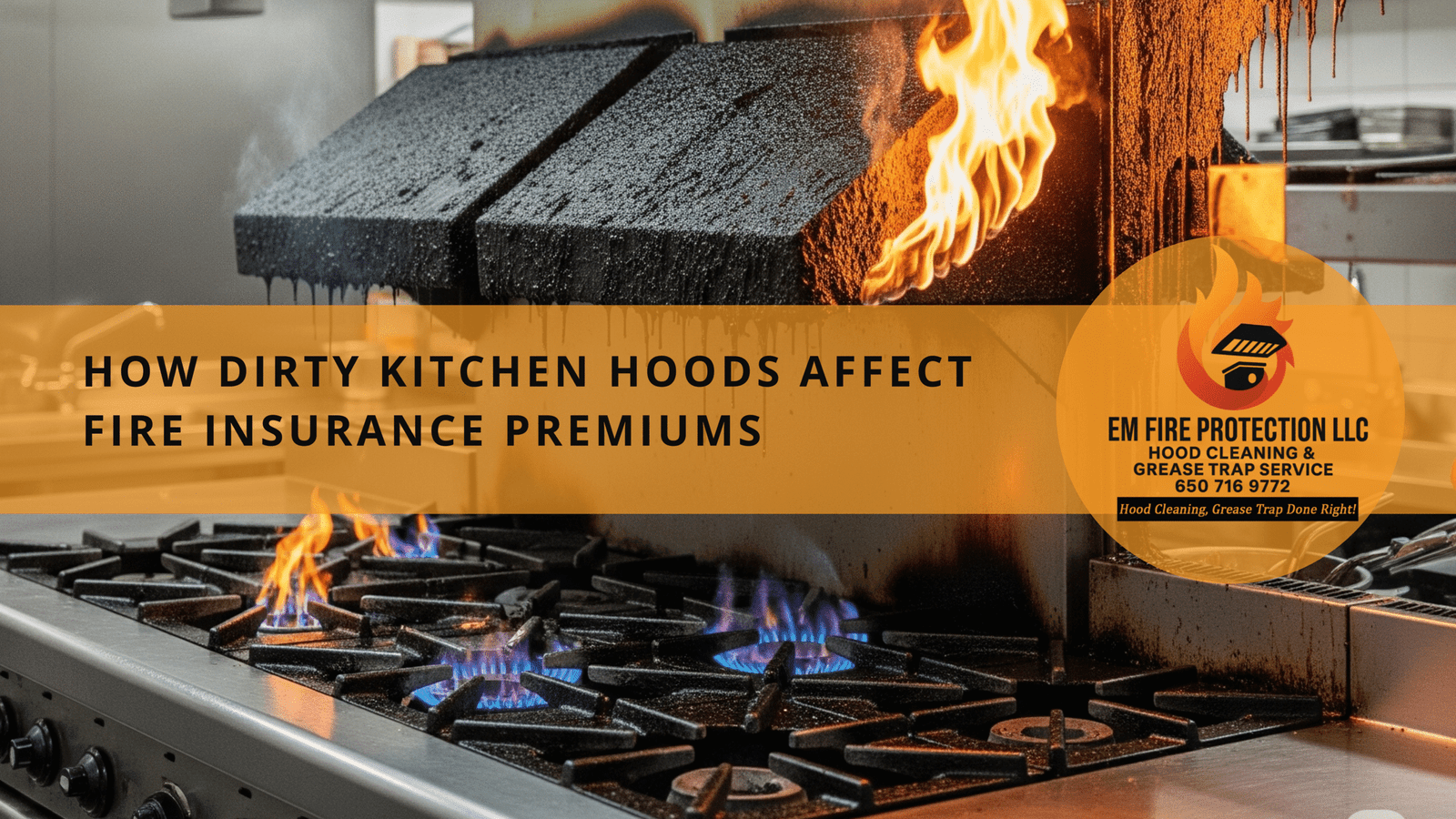
Kitchen hoods are designed to remove smoke, grease, and heat from the cooking area. Over time, grease buildup inside the exhaust system becomes highly flammable. If a flare-up occurs, these deposits can ignite instantly, spreading flames rapidly through the ductwork.
The National Fire Protection Association (NFPA) requires commercial kitchens to follow specific hood cleaning schedules to reduce fire risks. Non-compliance can result in insurance penalties and even legal consequences.
Why Dirty Kitchen Hoods Increase Insurance Premiums
1. Increased Fire Risk
Insurance companies assess risk before deciding on your premium. A kitchen with a dirty hood is a ticking time bomb. The more grease buildup, the higher the chance of fire, and the higher your rates.
2. Non-Compliance with Safety Regulations
Failing to meet NFPA 96 cleaning standards is a red flag for insurers. If your kitchen is found non-compliant during inspection, you could face higher premiums or non-renewal of your policy.
3. Costly Claims History
If a grease fire occurs due to a dirty hood, your insurance claim will be costly. Insurers keep track of claims history, and one major fire can result in long-term premium hikes.
The Insurance Company’s Perspective
From an insurer’s point of view, dirty kitchen hoods mean:
- Higher probability of fire damage
- Expensive payouts in case of claims
- Potential business interruption costs
That’s why they require proof of regular professional hood cleaning. Some even ask for service receipts during policy renewal.
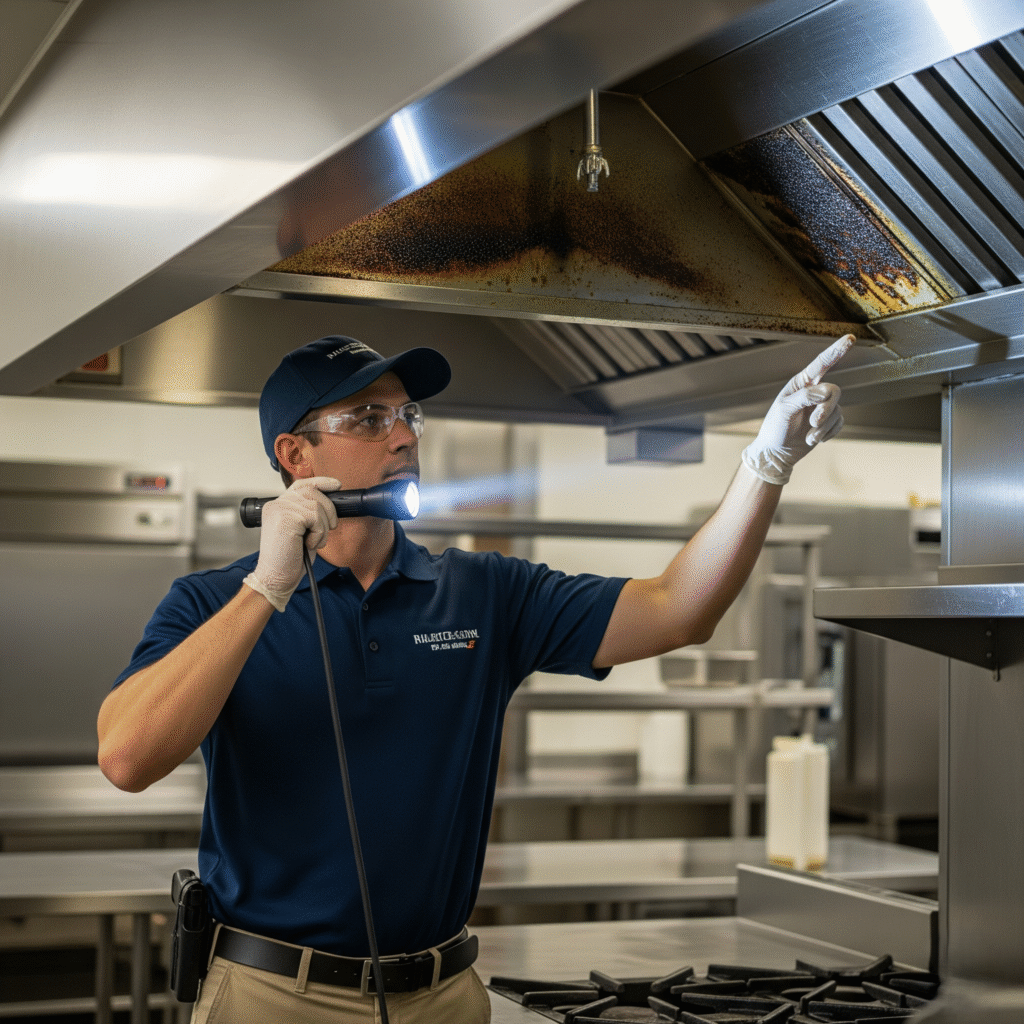
NFPA 96 Cleaning Standards
The NFPA 96 standard specifies how often kitchen hoods should be cleaned:
- Monthly for high-volume kitchens (e.g., fast food)
- Quarterly for moderate-volume kitchens
- Semi-annually for low-volume operations
Following these guidelines not only improves safety but also keeps insurance companies satisfied.
How to Keep Your Premiums Low
1. Schedule Regular Professional Cleanings
Hire certified hood cleaning professionals who can provide detailed service reports for your insurance company.
2. Maintain Cleaning Logs
Keep a maintenance record as proof of compliance. Insurers love documentation; it can help you negotiate lower premiums.
3. Conduct In-House Inspections
Train your kitchen staff to spot early signs of grease buildup and schedule cleanings before it becomes a hazard.
4. Upgrade Your Equipment
Modern hoods with better filtration systems can reduce grease accumulation and fire risk.
The Cost vs. Savings Equation
Some restaurant owners avoid frequent hood cleaning to save money. However, skipping cleanings can cost you far more in the long run through:
- Higher insurance premiums
- Fire damage repairs
- Lost business from downtime
Regular cleaning is an investment in safety and financial stability.
Final Thoughts
Dirty kitchen hoods aren’t just a cleanliness issue; they’re a financial liability. By keeping your hoods clean and compliant with NFPA 96, you can reduce fire risks, avoid costly claims, and lower your fire insurance premiums. Dirty Kitchen Hoods Can Impact Fire Insurance Premiums, and it is not a good impression for business as well.
Call-to-Action :
In the restaurant business, prevention is always cheaper than recovery. Make kitchen hood cleaning a non-negotiable safety practice; your insurance bill (and your peace of mind) will thank you. Contact us today!