A commercial kitchen may look clean from the cooking area, but some of the most dangerous Fire Hazards remain hidden above the hood and inside exhaust ducts. Grease vapor travels through the ventilation system during daily cooking, gradually coating duct walls, exhaust components, and rooftop fans. When this buildup is ignored, it can become highly combustible and allow a fire to spread beyond the kitchen.
Rooftop fans and exhaust ducts are particularly vulnerable because they are difficult to inspect without proper access, tools, and experience. Regular commercial kitchen hood cleaning helps remove hidden grease deposits, reduce fire risks, and maintain a safer working environment for restaurant owners, employees, and customers.
Why Exhaust Ducts Become Serious Fire Hazards
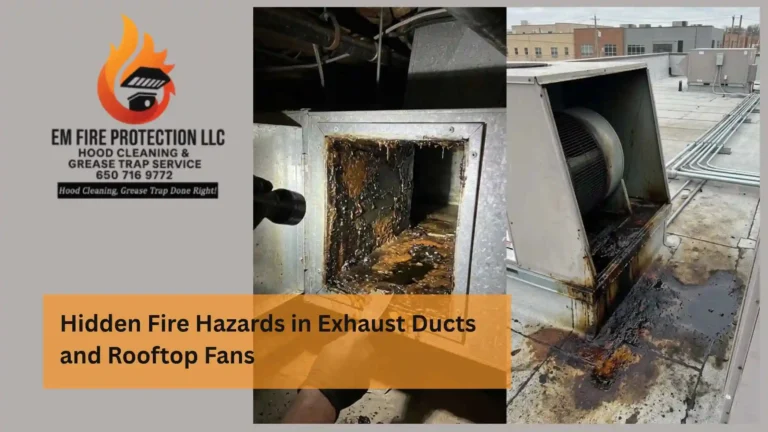
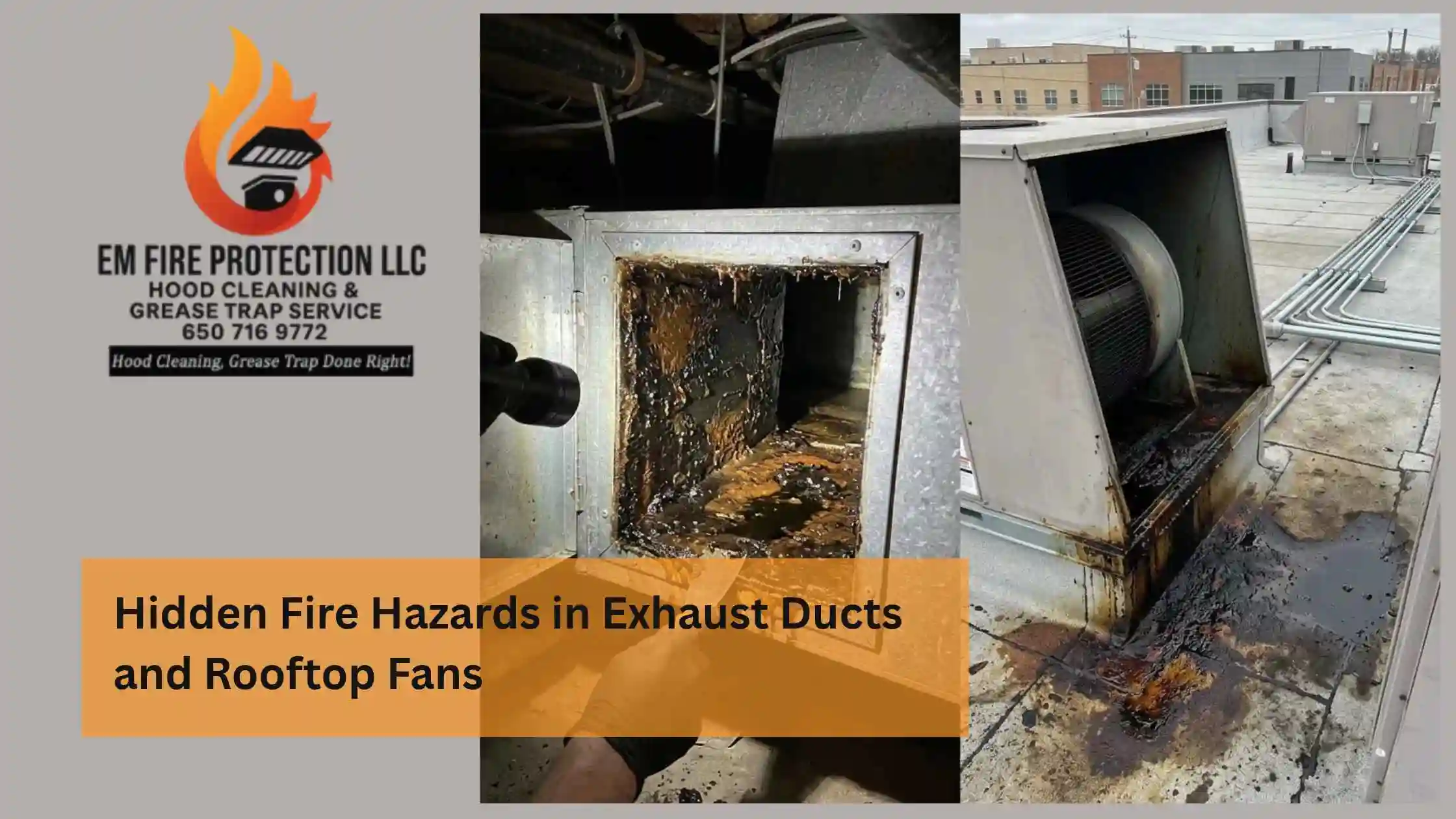
Every time a commercial kitchen prepares fried, grilled, or sautéed food, grease-laden vapors enter the exhaust system. Although grease filters capture some particles, smaller deposits can continue through the ventilation pathway and accumulate inside the ductwork.
Over time, this buildup creates one of the most overlooked Fire Hazards in restaurants. Ducts may contain layers of sticky grease that are not visible from the cooking area. If flames, sparks, or excessive heat reach these deposits, the grease can ignite and fuel a dangerous fire.
Common causes of grease accumulation include:
- Frequent frying, grilling, and high-temperature cooking
- Filters that are damaged, clogged, or improperly installed
- Inconsistent hood and exhaust duct cleaning
- Inaccessible duct sections that are neglected
- Heavy kitchen workloads and inadequate maintenance
These conditions make exhaust ducts potential sources of hidden Fire Hazards, especially in busy restaurants that operate for extended hours.
Rooftop Exhaust Fans: A Frequently Overlooked Fire Risk
Rooftop exhaust fans play an important role in removing smoke, heat, airborne grease, and cooking odors from commercial kitchens. However, grease can collect around fan blades, housings, hinges, bases, and connected duct openings.
When rooftop fans are neglected, grease deposits can become exposed to heat and flames traveling through the exhaust system. A fire that reaches the rooftop fan can threaten the roof structure and potentially spread to other parts of the building.
Rooftop fan maintenance is important because:
- Grease around fan blades can become combustible.
- Dirty fan components can reduce exhaust performance.
- Hidden grease may allow flames to travel outside the kitchen.
- Neglected hinges and access panels can make cleaning difficult.
- Excess grease runoff can create additional maintenance and safety issues.
Ignoring these conditions can turn ordinary cooking operations into serious Fire Hazards.

Warning Signs That Should Never Be Ignored
Restaurant owners and managers should watch for early warning signs that indicate the exhaust system may need attention. These signs can point to maintenance problems or increased Fire Hazards.
- Grease dripping from the hood: May indicate excessive buildup or poor grease management.
- Smoke lingering in the kitchen: Could signal reduced ventilation or an exhaust system problem.
- Excessive heat: Poor airflow can contribute to uncomfortable and potentially unsafe kitchen conditions.
- Strong grease odors: Residue in the hood, ducts, or fan may contribute to persistent odors.
- Visible rooftop grease: Grease near exhaust fans or on rooftop surfaces signals the need for inspection and cleanup.
- Unusual fan noise: Loose belts, worn components, or mechanical issues may require professional attention.
These warning signs should not be ignored or treated as minor cleaning issues. Scheduling a professional inspection can help identify problems early and reduce the chance of preventable Fire Hazards affecting restaurant operations.
The Professional Advantage of Commercial Hood Cleaning
Professional exhaust system cleaning offers a more thorough approach than routine kitchen maintenance. Experienced technicians understand how grease travels through ventilation systems and where deposits are most likely to accumulate.
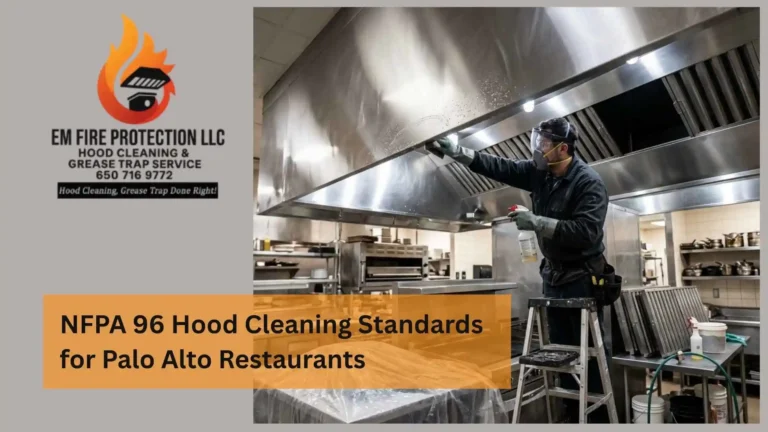
At EM Fire Protection LLC, the hood cleaning process begins with inspecting grease levels, access panels, fan belts, gaskets, and surrounding equipment. Technicians protect cooking surfaces, mechanically remove heavy deposits, and use professional degreasers and high-pressure rinsing to clean accessible components.
The service can cover:
- Hood canopy and grease filters
- Plenum chambers and interior hood surfaces
- Horizontal and vertical exhaust ducts
- Upblast and utility exhaust fans
- Accessible rooftop exhaust components
Following cleaning, technicians reassemble filters, polish exposed stainless steel, and verify fan operation and airflow. A cleaning sticker records the service date and recommended next cleaning window, while photo documentation may be available for maintenance and inspection records.
This thorough process helps remove hidden combustible grease, maintain ventilation performance, and reduce Fire Hazards throughout the kitchen exhaust system. Professional cleaning does not replace fire suppression inspections or other safety requirements, but it is an important part of preventive maintenance.
A Restaurant Maintenance Story: Preventing a Hidden Fire Hazard
Imagine a restaurant that has been operating at full capacity for months. Staff clean the hood filters regularly, and the kitchen appears spotless. However, the exhaust fan has not received a thorough cleaning, and grease continues accumulating inside the ducts.
During a routine maintenance review, management notices grease around the rooftop fan and smoke lingering longer than usual during peak cooking hours. Rather than waiting for the next scheduled inspection, the owner arranges professional hood cleaning.
Technicians inspect the exhaust system, identify heavy grease deposits, protect nearby equipment, and clean the hood, ductwork, and accessible rooftop fan components. They also verify airflow and flag any additional maintenance concerns.
This illustrative scenario demonstrates how a restaurant can address hidden Fire Hazards before grease buildup becomes a more serious problem. Proactive maintenance is far more practical than dealing with fire damage, operational interruptions, or costly emergency repairs.
How Often Should Commercial Exhaust Systems Be Cleaned?
Cleaning frequency depends on cooking volume, equipment type, operating hours, and how quickly grease accumulates. High-volume kitchens that fry or grill frequently may need more frequent cleaning than facilities with lighter cooking operations.
Restaurant owners should follow applicable fire codes, professional recommendations, and inspection requirements rather than relying solely on visible grease. Consistent maintenance records also help track cleaning schedules and identify recurring problems.
Recommended Maintenance Practices
- Clean removable grease filters regularly.
- Monitor grease accumulation inside accessible hood components.
- Schedule professional exhaust duct and rooftop fan cleaning.
- Maintain records of cleaning dates and identified deficiencies.
- Address damaged fan components and access issues promptly.
- Keep fire suppression systems professionally inspected and maintained.
These practices help reduce hidden Fire Hazards and support a safer, more reliable commercial kitchen.

Protect Your Kitchen from Hidden Fire Hazards
Exhaust ducts and rooftop fans are easy to overlook because they are located outside the immediate cooking area. However, grease accumulation in these components can create a dangerous fuel source that allows kitchen fires to spread. Cleaning only the visible hood leaves important parts of the ventilation system untreated.
EM Fire Protection LLC provides commercial kitchen hood cleaning services for restaurants and food-service businesses throughout San Jose and surrounding Bay Area communities. Their trained technicians use mechanical scraping, professional degreasers, and high-pressure rinsing to remove grease from accessible hood, duct, and fan components. Their process also includes inspections, airflow checks, and service documentation.
Protect your kitchen, staff, customers, and property by making exhaust system maintenance a priority. Contact EM Fire Protection LLC at 650-716-9772 to request a free estimate or schedule professional hood cleaning.
FAQs
1. Why are exhaust ducts considered hidden fire hazards?
Exhaust ducts collect grease from cooking vapors. If grease deposits are exposed to flames or extreme heat, they can ignite and allow a fire to spread through the ventilation system.
2. Can rooftop exhaust fans catch fire?
Yes. Grease can accumulate on fan blades, housings, and connected components. This combustible residue can ignite and potentially spread fire to surrounding areas.
3. Does cleaning the hood filters prevent exhaust system fires?
No. Filter cleaning helps, but grease can still accumulate in plenums, ducts, and exhaust fans. The entire accessible exhaust pathway needs appropriate professional cleaning.
4. What are signs of a dirty exhaust system?
Grease dripping, smoke lingering, excessive kitchen heat, strong grease odors, visible rooftop residue, and unusual exhaust fan noise may indicate cleaning or maintenance is needed.
5. Why hire professionals for commercial hood cleaning?
Professional technicians have the equipment and experience to access hidden grease deposits, clean exhaust components properly, protect surrounding surfaces, and identify maintenance issues that may otherwise go unnoticed.
6. How can restaurants reduce hidden fire hazards?
Restaurants can reduce risks by maintaining filters, scheduling professional hood and duct cleaning, inspecting rooftop fans, documenting service, and keeping fire suppression systems maintained.