A grease trap is one of the most critical yet overlooked systems in any restaurant. When it’s working properly, it quietly captures fats, oils, and grease before they enter the plumbing system. But when a grease trap becomes full or neglected, the consequences can be immediate and expensive.
An overflowing grease trap can lead to sewer backups, foul odors, health code violations, and even temporary restaurant closures. Knowing the early warning signs helps restaurant owners act before a small issue turns into a major operational problem.
In this blog, we’ll cover the clear signs your restaurant’s grease trap is about to overflow, the risks of delaying professional service, and why routine grease trap cleaning by professionals is essential.
What Does a Grease Trap Do?
A grease trap intercepts wastewater from sinks, dishwashers, and floor drains, separating grease from water before it reaches the sewer system.
Why Grease Traps Are Essential
- Prevent clogged sewer lines
- Protect municipal wastewater systems
- Maintain sanitary kitchen conditions
- Ensure compliance with local health regulations
Without regular professional maintenance, grease traps fill quickly and lose effectiveness.
Why Grease Trap Overflows Are a Serious Risk
An overflowing grease trap isn’t just inconvenient; it’s a serious business threat.
Potential Consequences
- Raw sewage backs up into kitchens
- Strong, lingering odors
- Health department violations and fines
- Emergency shutdowns
- Expensive plumbing repairs
Overflow issues often occur during peak business hours, when kitchens are busiest and stress is highest.
Sign #1: Slow Drains Throughout the Kitchen
One of the earliest and most common warning signs is slow drainage.
What It Means
When grease accumulates, it restricts water flow. If sinks, floor drains, or dishwashers drain slowly, your grease trap may be nearing capacity.
Why This Shouldn’t Be Ignored
Slow drains indicate buildup that will continue to worsen, eventually leading to a full blockage or overflow.
Sign #2: Strong, Persistent Odors
Grease traps naturally contain food waste, but strong odors are a red flag.
What Causes the Smell
- Decomposing fats and food particles
- Bacteria grow inside a full grease trap
- Gases escaping through drains
If odors remain even after routine kitchen cleaning, the grease trap likely needs immediate professional attention.
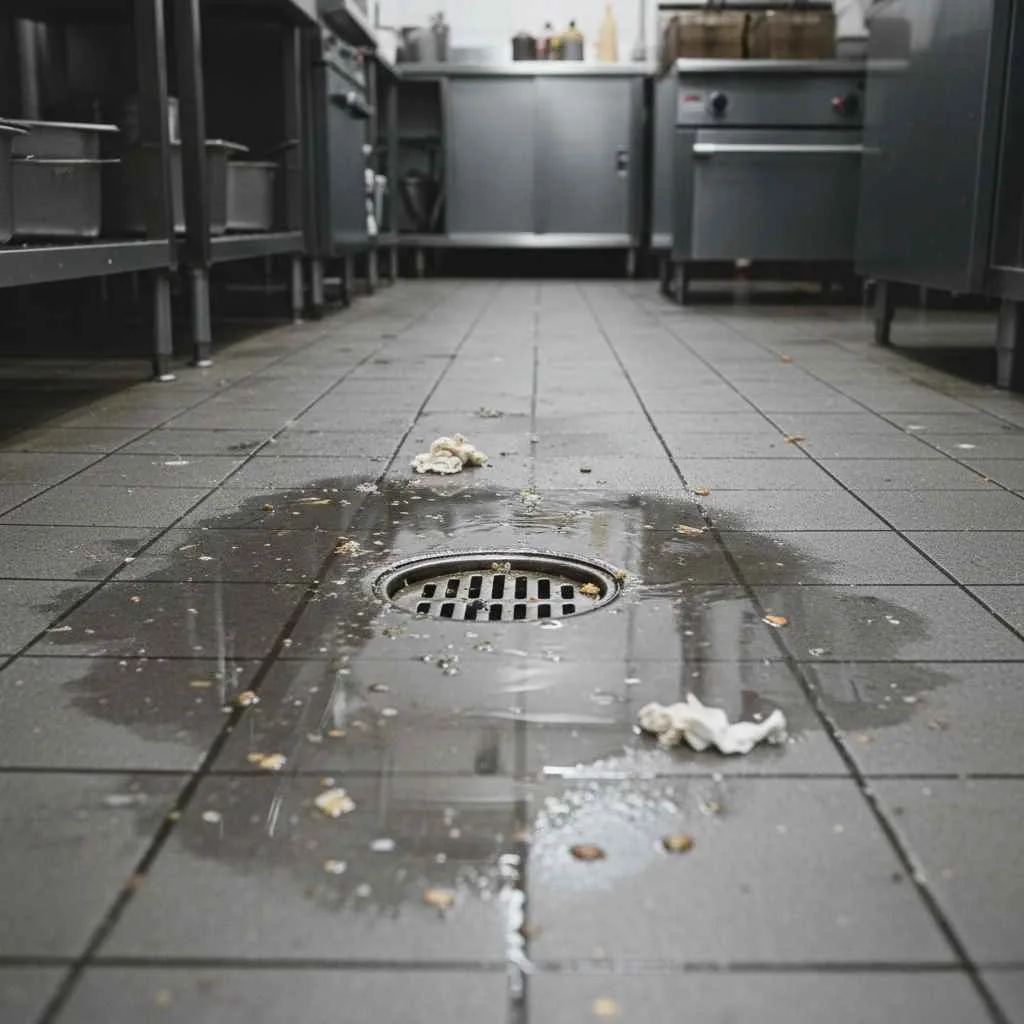
Sign #3: Grease Backing Up Into Sinks or Floor Drains
Visible grease or murky water backing up is a serious warning sign.
Why This Happens
When a grease trap reaches capacity, grease has nowhere to go and begins flowing backward into kitchen fixtures.
Why This Is Dangerous
- Creates slip hazards
- Violates health and safety standards
- Signals imminent overflow
At this stage, emergency grease trap service is often required.
Sign #4: Gurgling Sounds From Drains
Unusual sounds coming from your plumbing system should never be ignored.
What Gurgling Indicates
- Air trapped by grease blockages
- Restricted wastewater flow
- Pressure buildup in the pipes
These sounds often occur shortly before major drainage issues or overflows.
Sign #5: Health Inspector Warnings or Citations
Health departments routinely inspect grease trap maintenance records.
Red Flags During Inspections
- Missing cleaning documentation
- Evidence of grease discharge
- Odors or drainage problems
Even a warning can escalate into fines or forced closures if the issue isn’t addressed promptly by licensed professionals.
Sign #6: Grease Trap Hasn’t Been Cleaned on Schedule
Every restaurant has different grease production levels, but no grease trap should be neglected.
Typical Cleaning Frequency
- High-volume kitchens: every 1–2 months
- Moderate-volume kitchens: every 2–3 months
- Low-volume operations: quarterly
If you’re unsure when your grease trap was last serviced, it’s likely overdue.
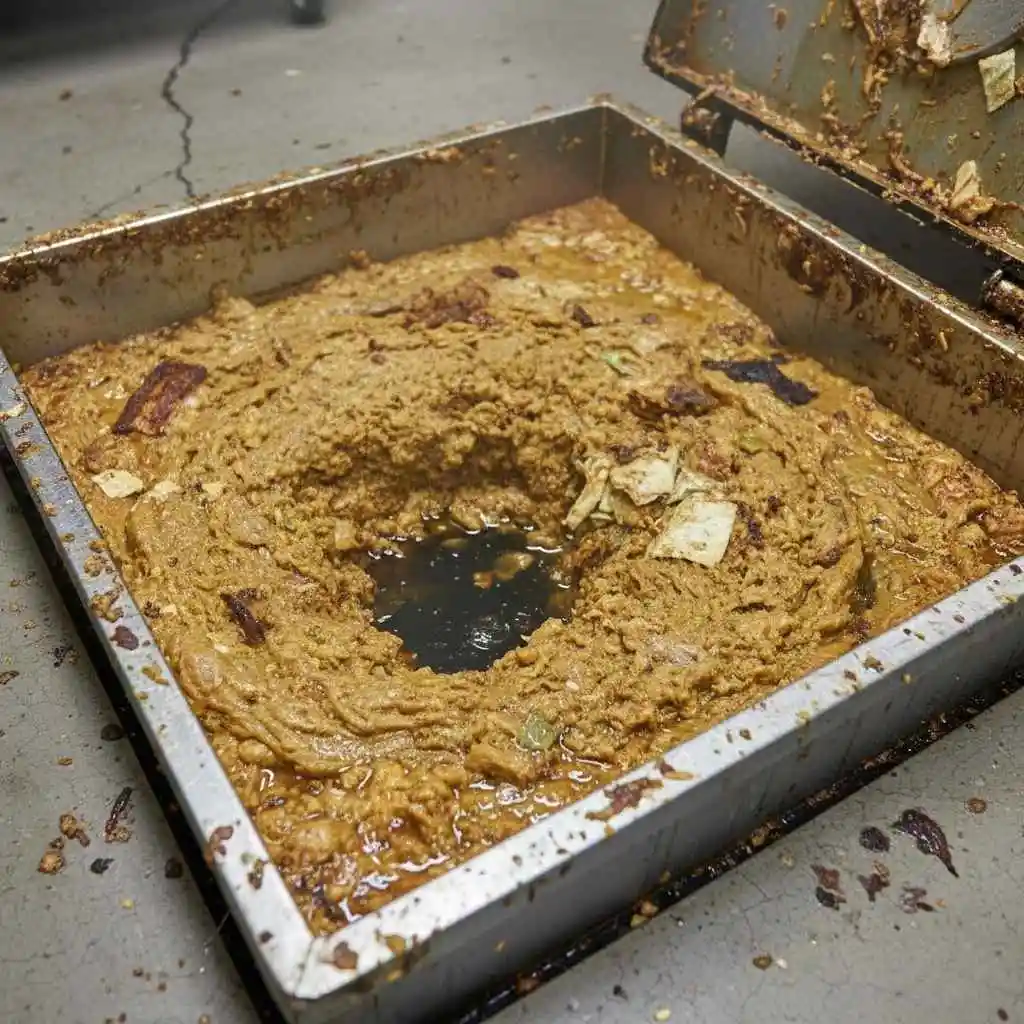
Why DIY Grease Trap Cleaning Isn’t Enough
Some restaurant owners attempt partial cleanouts, but this approach often leads to bigger problems.
Limitations of DIY Methods
- Incomplete grease removal
- No proper waste disposal
- Lack of compliance documentation
- Higher risk of overflow
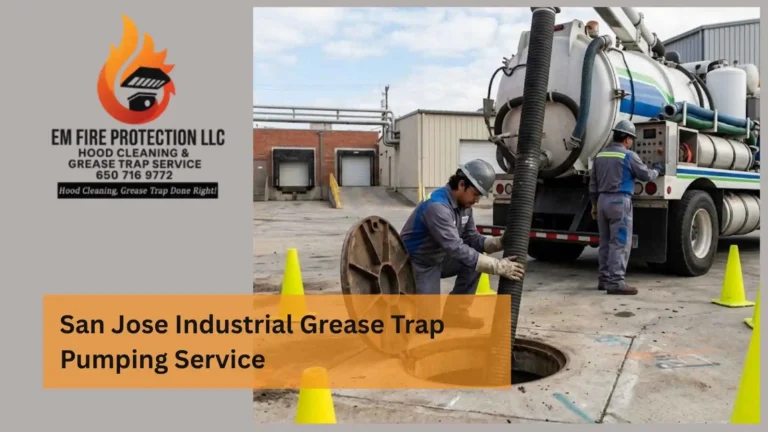
Professional grease trap cleaning removes all grease, solids, and wastewater, ensuring compliance and long-term protection.
The Professional Grease Trap Cleaning Process
Professional grease trap services follow a strict, regulated process.
What Professionals Do
- Full pump-out of grease, water, and solids
- Scraping and cleaning of trap walls and baffles
- Inspection for damage or improper function
- Proper disposal according to regulations
- Service documentation for inspections
This thorough process ensures your system operates efficiently and safely.
How Regular Maintenance Prevents Emergencies
Routine professional service prevents unexpected failures.
Benefits of Scheduled Cleaning
- Prevents overflows and backups
- Extends grease trap lifespan
- Reduces emergency service costs
- Keeps kitchens running smoothly
- Protects your restaurant’s reputation
Preventative maintenance is always more affordable than emergency repairs.
Why Restaurants Should Partner With Professional Grease Trap Services
Reliable grease trap service providers act as long-term partners in your restaurant’s success.
What to Look For
- Experience with commercial kitchens
- Knowledge of local regulations
- Emergency response availability
- Detailed service reporting
A professional provider ensures compliance, consistency, and peace of mind.
The Cost of Ignoring Warning Signs
Delaying service when warning signs appear can result in:
- Thousands of dollars in repairs
- Lost revenue from downtime
- Negative reviews due to odors or closures
- Repeat violations
Early professional intervention saves money and protects operations.
Call to Action
An overflowing grease trap can shut down your restaurant without warning. Recognizing the signs early and scheduling professional grease trap cleaning keeps your kitchen compliant, sanitary, and fully operational.
Contact our professional grease trap cleaning team today to schedule routine service or emergency support and protect your restaurant from costly overflows.