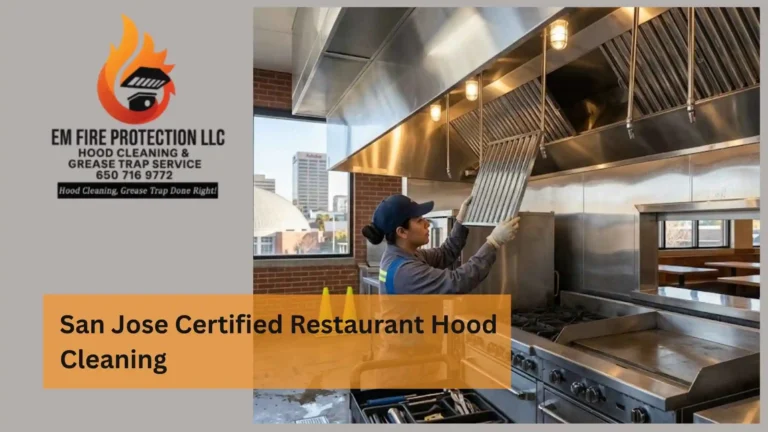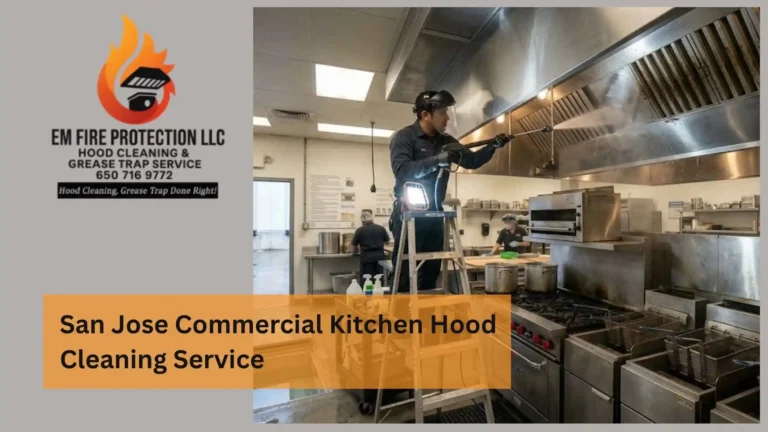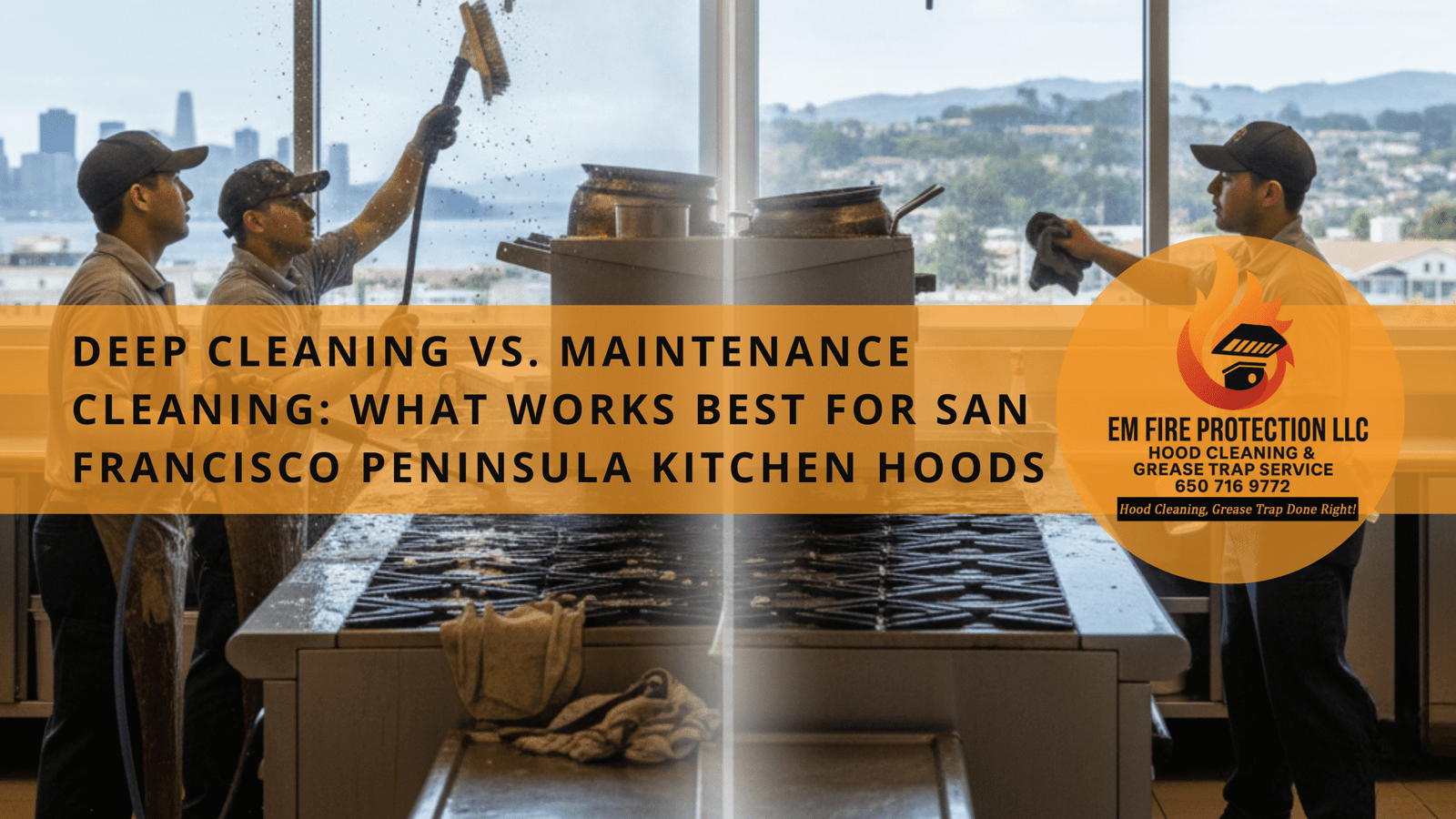
A clean and properly functioning kitchen hood is one of the most important safety components in any restaurant or commercial kitchen. For businesses across the San Francisco Peninsula, grease buildup, airflow restrictions, and fire hazards can escalate quickly without routine hood care. While many kitchen owners rely on standard maintenance cleaning, others require periodic deep cleaning to meet code, prevent odors, and maintain safe operations.
Below, we break down the difference between maintenance cleaning and deep cleaning, explain when each is needed, and show why professional services deliver the best results for high-demand kitchens in the Peninsula.
Why Kitchen Hood Cleaning Matters
Commercial kitchen hoods handle smoke, heat, oils, and airborne grease every day. Without routine cleaning:
- Grease accumulates and increases fire risk
- Exhaust efficiency drops, raising energy costs
- Air quality worsens, impacting staff and customers
- Health and fire code violations become more likely
Professional cleaning is not just about appearance; it’s about safety, compliance, and smooth kitchen operations.
What Is Maintenance Cleaning?
Maintenance cleaning focuses on regular upkeep to prevent surface-level grease buildup. This type of cleaning includes:
Surface Wipe-Downs
Cleaning the exterior canopy, filters, and accessible areas.
Light Grease Removal
Removing fresh grease before it becomes thick and hardened.
Filter Cleaning or Replacement
Ensuring proper airflow and reducing strain on the exhaust fan.
Odor Control
Preventing the smoky or greasy smell that can enter the dining area.
Maintenance cleaning is ideal for kitchens that want to stay safe and compliant between more intensive services.
What Is Deep Cleaning?
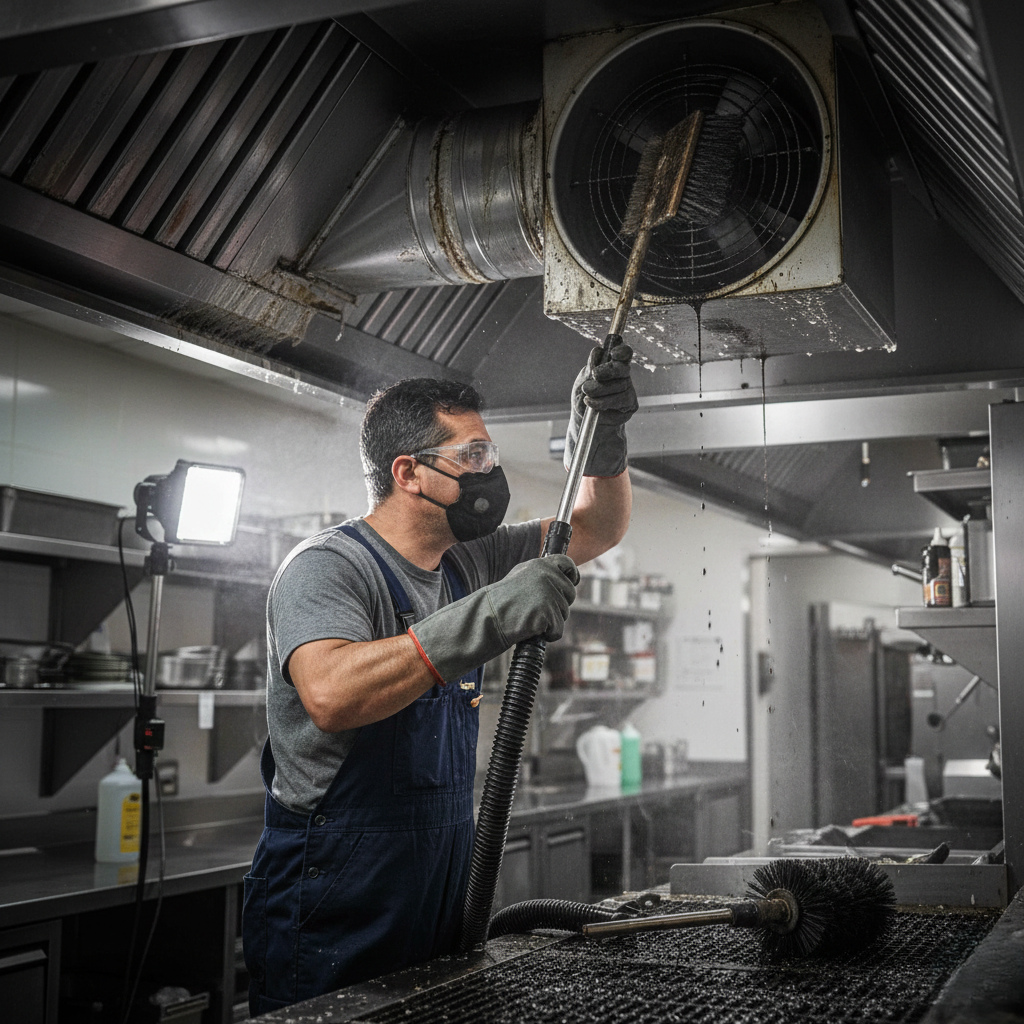
Deep cleaning goes beyond surface areas to target grease buildup that has accumulated over months or years. This includes:
Full Filter Degreasing
Soaking and pressure cleaning filters to remove hardened oils.
Cleaning Inside the Canopy
Scraping and degreasing all internal hood components.
Fan and Motor Cleaning
Removing grease from blades, motor housing, and fan compartments to improve performance.
Ductwork Cleaning
Eliminating grease buildup deep inside the ductwork, one of the biggest fire risks in any commercial kitchen.
Fire Code Compliance
Ensuring the entire hood system meets NFPA 96 fire safety standards, required for most commercial kitchens.
Deep cleaning restores performance, eliminates odors, and reduces the risk of grease fires.
Key Differences Between Maintenance and Deep Cleaning
| Feature | Maintenance Cleaning | Deep Cleaning |
|---|---|---|
| Cleaning Depth | Surface-level | Entire hood system |
| Target Areas | Canopy, filters | Canopy, filters, fan, motor, ducts |
| Frequency | Weekly or monthly | Every 3–6 months |
| Fire Code Compliance | Helps maintain | Required to maintain |
| Time Required | Quick | More extensive |
| Best For | Low to medium volume kitchens | High-volume kitchens, restaurants, food trucks |
Both cleaning types work together to keep your system safe and fully operational; one does not replace the other.
Which Cleaning Option Do You Need?
The right cleaning schedule depends on your kitchen’s cooking volume, food type, and equipment.
Choose Maintenance Cleaning If Your Kitchen:
- Has moderate cooking volume
- Wants to prevent visible grease buildup
- Needs regular airflow improvement
- Uses grills, ovens, or fryers occasionally
Maintenance keeps your kitchen looking clean and functioning smoothly between deeper services.
Choose Deep Cleaning If Your Kitchen:
- Runs high-volume fryers, grills, or woks
- Serves greasy or oily foods
- Has persistent odors or smoke
- Has not been serviced in several months
- Needs to meet strict fire or health inspections
Deep cleaning is essential for long-term safety and compliance.
Why Kitchens on the San Francisco Peninsula Need Both
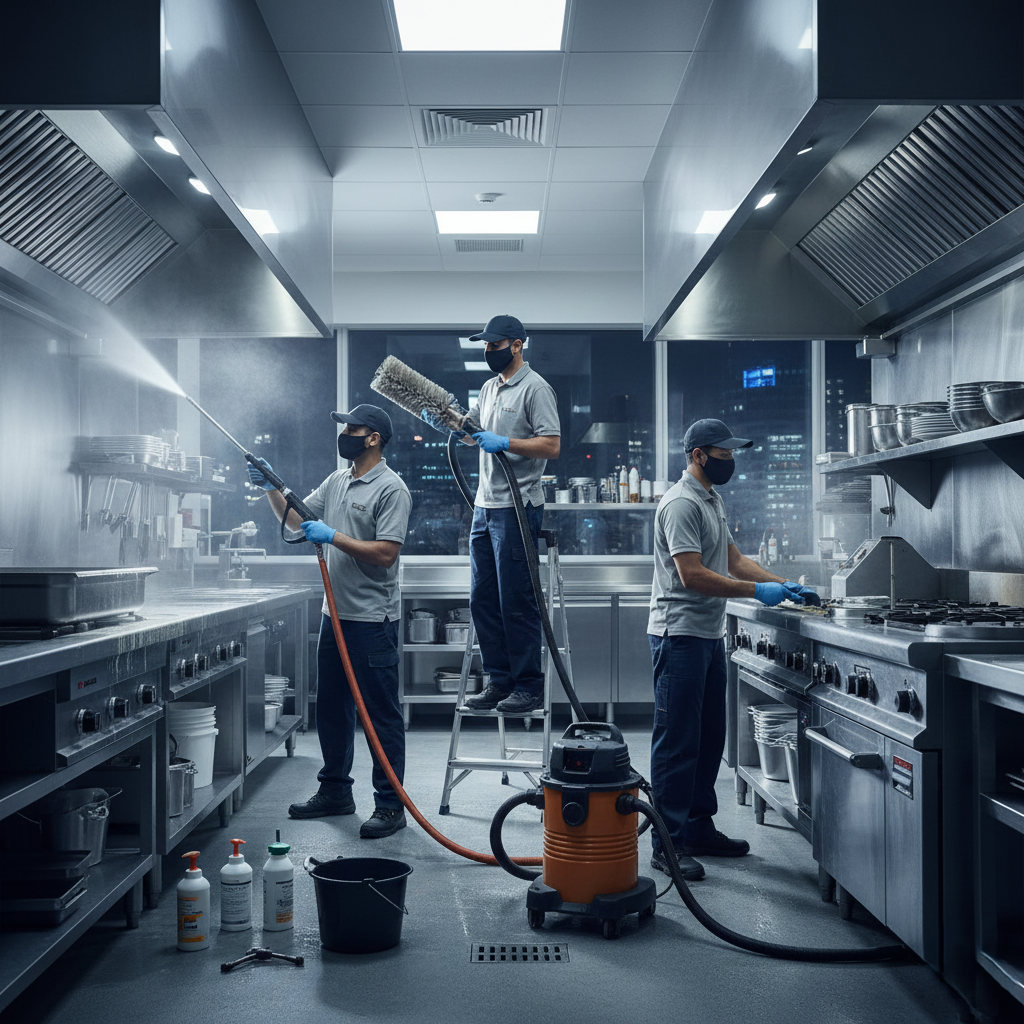
Kitchens in the Peninsula often operate long hours with fast-paced, high-heat cooking. These conditions cause grease accumulation faster than in other regions. In addition:
- High dining demand increases cooking frequency
- Older buildings may have older duct systems
- Food service regulations are strict in the Bay Area
Combining maintenance and deep cleaning ensures:
- Proper ventilation
- Better energy efficiency
- Stronger fire safety protection
- Longer hood lifespan
This layered approach keeps kitchens ready for inspections and high daily demand.
Professional Cleaning vs. DIY Methods
While some kitchen staff attempt to clean hood exteriors in-house, DIY methods fall short for grease that has settled inside ducts or motors. Professionals use:
- Commercial-grade degreasers
- Steam cleaning equipment
- Rotating duct brushes
- High-pressure hot water systems
- Fire code–approved cleaning techniques
This ensures the entire system, not just visible surfaces, is fully cleaned and safe.
Call to Action
A clean kitchen hood is essential for fire safety, airflow, and staying compliant with restaurant regulations. Whether you need ongoing maintenance or a full deep cleaning, our expert technicians provide safe, efficient, and code-compliant hood cleaning for commercial kitchens across the San Francisco Peninsula.
Schedule your inspection today and keep your kitchen running safely, efficiently, and inspection-ready!