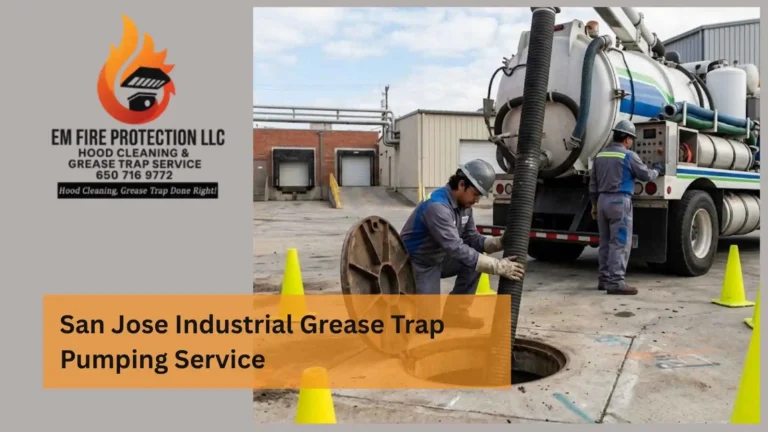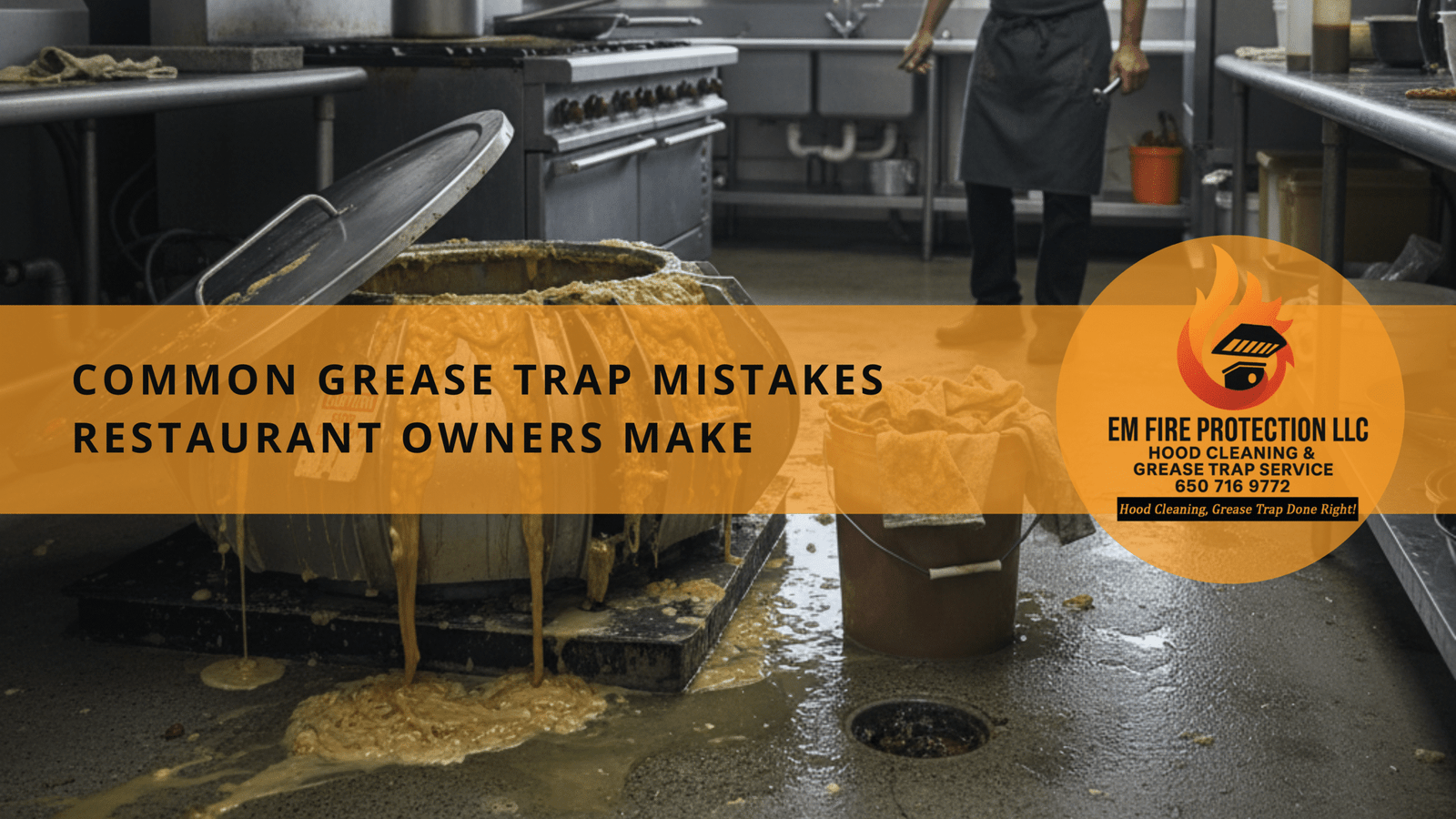
Running a successful restaurant on the San Francisco Peninsula means maintaining top-tier hygiene, efficiency, and compliance with local environmental regulations. One area that often gets overlooked, until it causes serious problems, is the grease trap. Designed to capture fats, oils, and grease (FOG) before they enter the wastewater system, grease traps are essential for keeping plumbing and kitchens running smoothly.
However, many restaurant owners make critical mistakes that lead to backups, foul odors, and even costly fines. Understanding these mistakes and relying on professional grease trap cleaning services is the key to preventing issues that can disrupt your operations or harm your reputation.
Why Grease Trap Maintenance Matters for Restaurants
Every time dishes are washed, a mixture of food waste, oil, and grease flows into the drain. Without a properly functioning grease trap, these materials solidify inside pipes, leading to blockages, backups, and unpleasant odors.
In the environmentally conscious region of the San Francisco Peninsula, restaurants are required to maintain their grease traps to comply with local wastewater regulations. Ignoring maintenance doesn’t just lead to plumbing issues; it can result in hefty penalties and even temporary shutdowns by health inspectors.
Professional grease trap cleaning services help restaurant owners stay compliant, avoid damage, and keep kitchens safe and odor-free.
The Most Common Grease Trap Mistakes Restaurant Owners Make
1. Ignoring Regular Cleaning Schedules
The most common mistake is simply neglecting routine cleaning. Many owners wait until there’s a noticeable smell or slow drainage to call for service. By then, the grease buildup is already causing problems.
For restaurants in the San Francisco Peninsula, experts recommend cleaning grease traps every 1–3 months, depending on kitchen volume. Professional cleaning prevents overflows and ensures smooth operation without interrupting business hours.
2. Relying on Staff for Cleaning Instead of Professionals
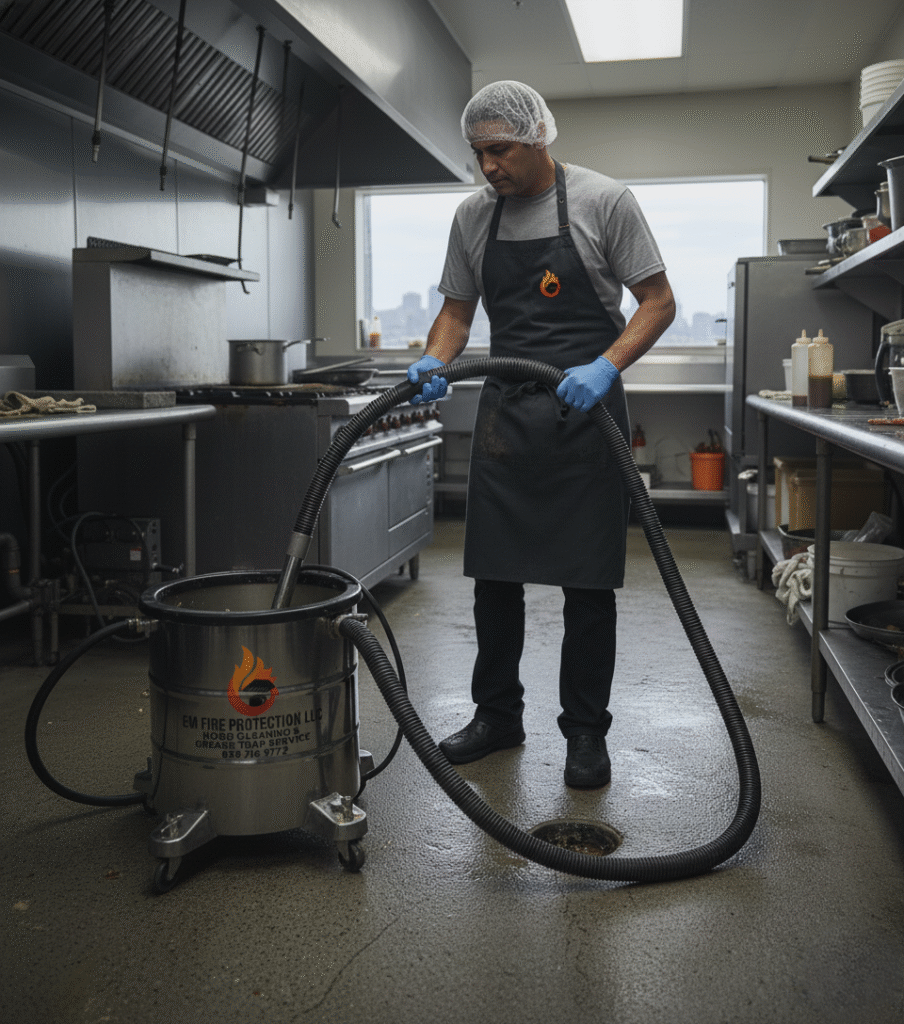
While your kitchen team may be great at food prep, grease trap cleaning requires specialized tools and safety procedures. DIY attempts often fail to remove hardened grease or sludge buildup deep in the tank.
Professional services use vacuum systems, scraping tools, and eco-friendly disposal methods to fully clean and sanitize grease traps, ensuring compliance with local wastewater disposal laws.
3. Using Harsh Chemicals or Hot Water
Pouring boiling water or harsh chemicals down the drain might seem like a quick fix, but it can actually cause grease to liquefy temporarily, only to solidify further down the plumbing line. Over time, this leads to more severe blockages and pipe damage.
Professionals use non-corrosive, biodegradable cleaning agents that safely break down grease without harming plumbing or the environment.
4. Ignoring Warning Signs of Trouble
Bad odors, slow-draining sinks, and gurgling noises are early indicators of grease trap buildup. Many restaurant owners overlook these signs until a complete blockage occurs, resulting in downtime and expensive repairs.
Scheduling regular inspections helps detect small issues early, saving money and preventing emergencies during peak service hours.
5. Improper Grease Disposal Practices
Pouring used cooking oil or grease directly down the drain is a costly mistake that violates San Francisco Peninsula wastewater regulations. Not only does it harm plumbing systems, but it can also lead to fines from city inspectors.
Professional cleaning services ensure that all collected grease is properly recycled or disposed of according to local environmental standards, keeping your restaurant compliant and eco-friendly.
6. Forgetting to Keep Maintenance Records
Local municipalities require restaurants to keep service and cleaning logs for inspection. Failing to maintain these records can result in compliance violations.
Reputable cleaning companies provide detailed service reports and certification after every visit, ensuring you meet all regional environmental guidelines.
The Benefits of Professional Grease Trap Cleaning Services
Partnering with a trusted San Francisco Peninsula grease trap cleaning company offers benefits beyond simple maintenance:
- Prevents Clogs & Backups: Keeps your drains flowing freely and eliminates foul odors.
- Regulation Compliance: Meets city and county wastewater management requirements.
- Protects Plumbing Systems: Extends the life of your pipes and prevents corrosion.
- Reduces Health Risks: Eliminates bacteria and mold that thrive in grease buildup.
- Improves Kitchen Efficiency: Keeps sinks and dishwashers running at full performance.
How Often Should You Clean Your Grease Trap?
The cleaning frequency depends on your restaurant’s size and kitchen activity. Here’s a general guideline for San Francisco Peninsula restaurants:
- High-volume kitchens: Every 1 month
- Medium-volume kitchens: Every 2 months
- Low-volume kitchens: Every 3 months
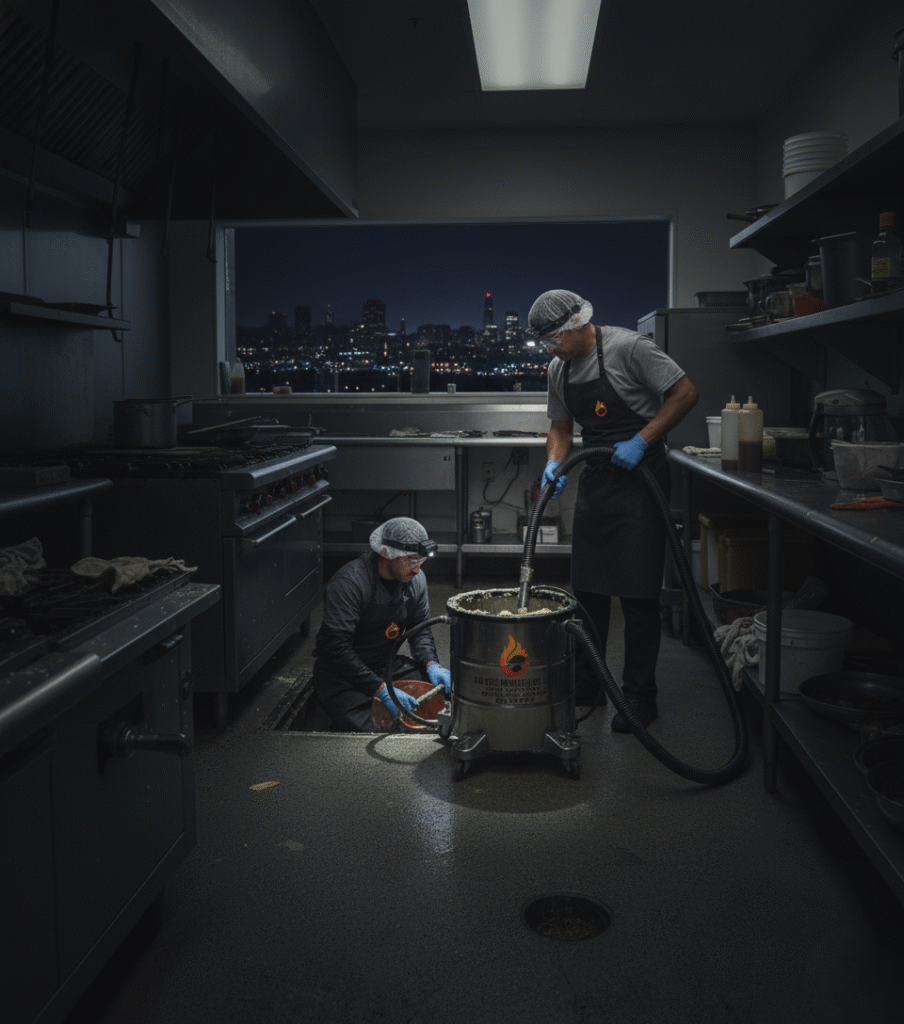
Professional technicians can help you create a maintenance schedule that matches your restaurant’s usage patterns and ensures compliance with local health and environmental codes.
How to Prevent Grease Trap Problems Between Cleanings
Even with regular service, restaurant staff can take proactive steps to reduce buildup and extend the lifespan of the system:
- Scrape food debris into the trash before washing dishes.
- Wipe grease from pots and pans before rinsing.
- Use sink strainers to catch solids.
- Train staff on proper waste disposal procedures.
- Never pour oil or fat down the drain.
These simple steps, combined with professional cleaning, can help you maintain a trouble-free kitchen year-round.
Call to Action
Don’t let grease trap issues disrupt your restaurant’s success. At EM Fire Protection LLC, we provide professional grease trap cleaning and maintenance services for restaurants across the San Francisco Peninsula. Our certified technicians ensure compliance with local wastewater regulations while keeping your kitchen safe, sanitary, and efficient.
Schedule your grease trap service today and let us help you maintain smooth operations, prevent costly plumbing problems, and meet environmental standards all while you focus on serving your customers.