In the fast-paced restaurant industry, a single plumbing issue can bring operations to a standstill. Among the most common and costly problems food establishments face is a clogged or overflowing grease trap. These essential components keep fats, oils, and grease (FOG) out of municipal sewer systems, but when they malfunction, they can cause foul odors, backups, and even health code violations.
For restaurant owners on the San Francisco Peninsula, emergency grease trap cleaning services aren’t just a convenience; they’re a necessity. Whether it’s a sudden clog during peak hours or a buildup that’s been quietly growing behind the scenes, acting fast can save you from serious downtime and costly fines.
1. Why Grease Trap Maintenance Is Non-Negotiable
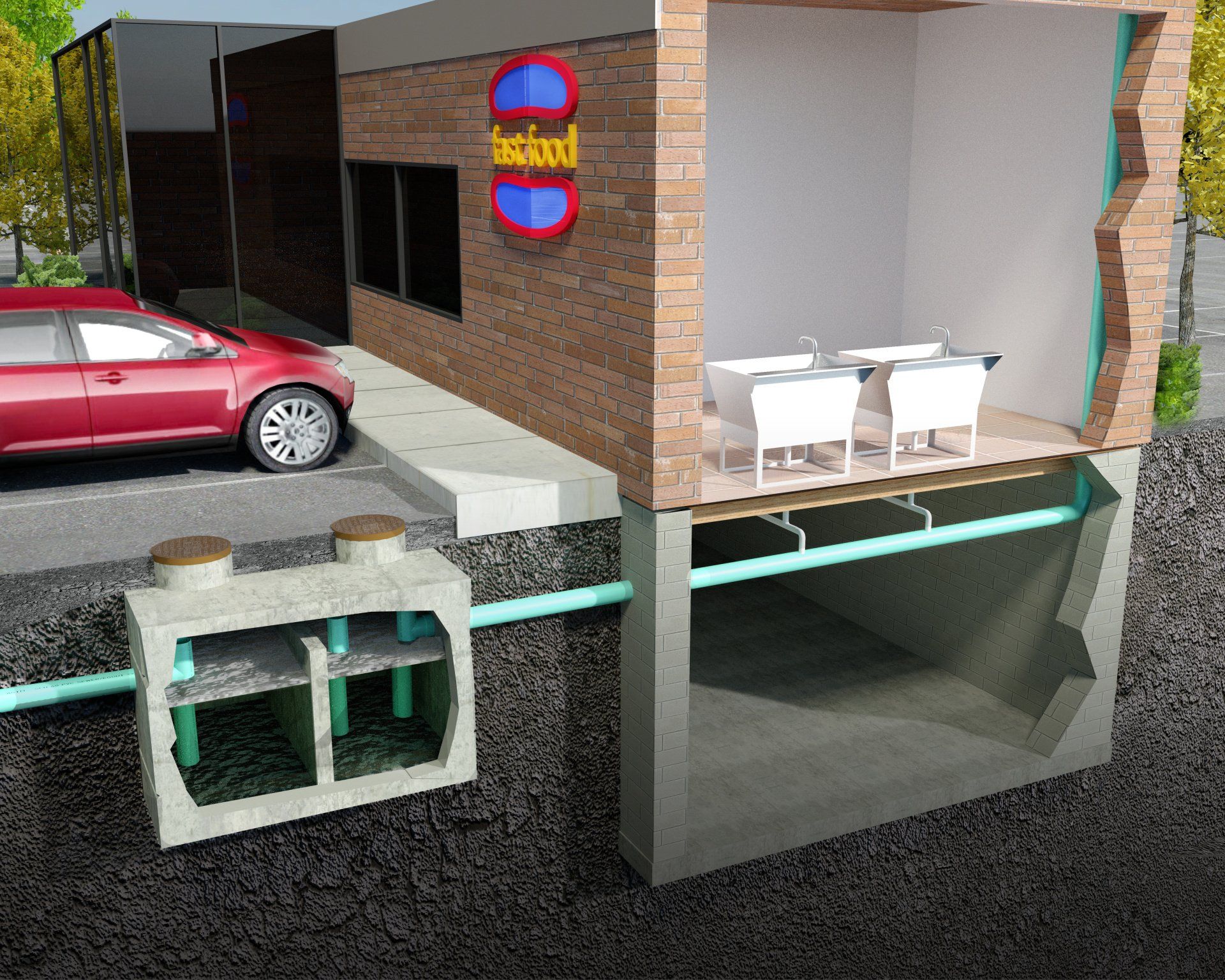

A grease trap (or grease interceptor) is a plumbing device designed to separate grease, fats, and oils from wastewater before it enters the sewer line. Over time, FOG accumulates and forms thick layers, restricting water flow. Without regular cleaning, this buildup can lead to:
- Unpleasant odors throughout the kitchen and dining area
- Sewer line clogs and overflows
- Plumbing system damage
- Costly fines from local health departments
- Emergency shutdowns during busy hours
For restaurants and food service businesses, keeping grease traps in top condition is a critical part of meeting health and safety regulations and protecting your reputation.
2. Common Signs You Need Emergency Grease Trap Cleaning
Even with regular maintenance, grease traps can quickly become overwhelmed during peak seasons or unexpected surges in business. Recognizing early warning signs can prevent major disasters.
Warning signs to look out for:
- Persistent foul odors coming from drains or kitchen areas
- Slow-draining sinks or water backups
- Gurgling sounds in the plumbing system
- Visible grease or residue near drains
- A sudden visit from health inspectors pointing out FOG compliance issues
When these signs appear, it’s a red flag that your grease trap may be close to overflowing, and immediate professional cleaning is the smartest move.
3. The High Cost of Ignoring Grease Trap Emergencies
A clogged grease trap isn’t just inconvenient, it can have serious financial consequences. Restaurants on the San Francisco Peninsula are subject to strict municipal FOG disposal regulations, and failure to comply can lead to:
- Costly plumbing repairs and emergency response fees
- Health code violations and citations
- Temporary or permanent business closures
- Loss of customer trust due to foul odors or unsanitary conditions
Additionally, untreated grease trap problems can damage municipal sewer systems, leading to fines and liability claims. This is why fast, professional intervention is crucial the moment a problem arises.
4. What Happens During Emergency Grease Trap Cleaning
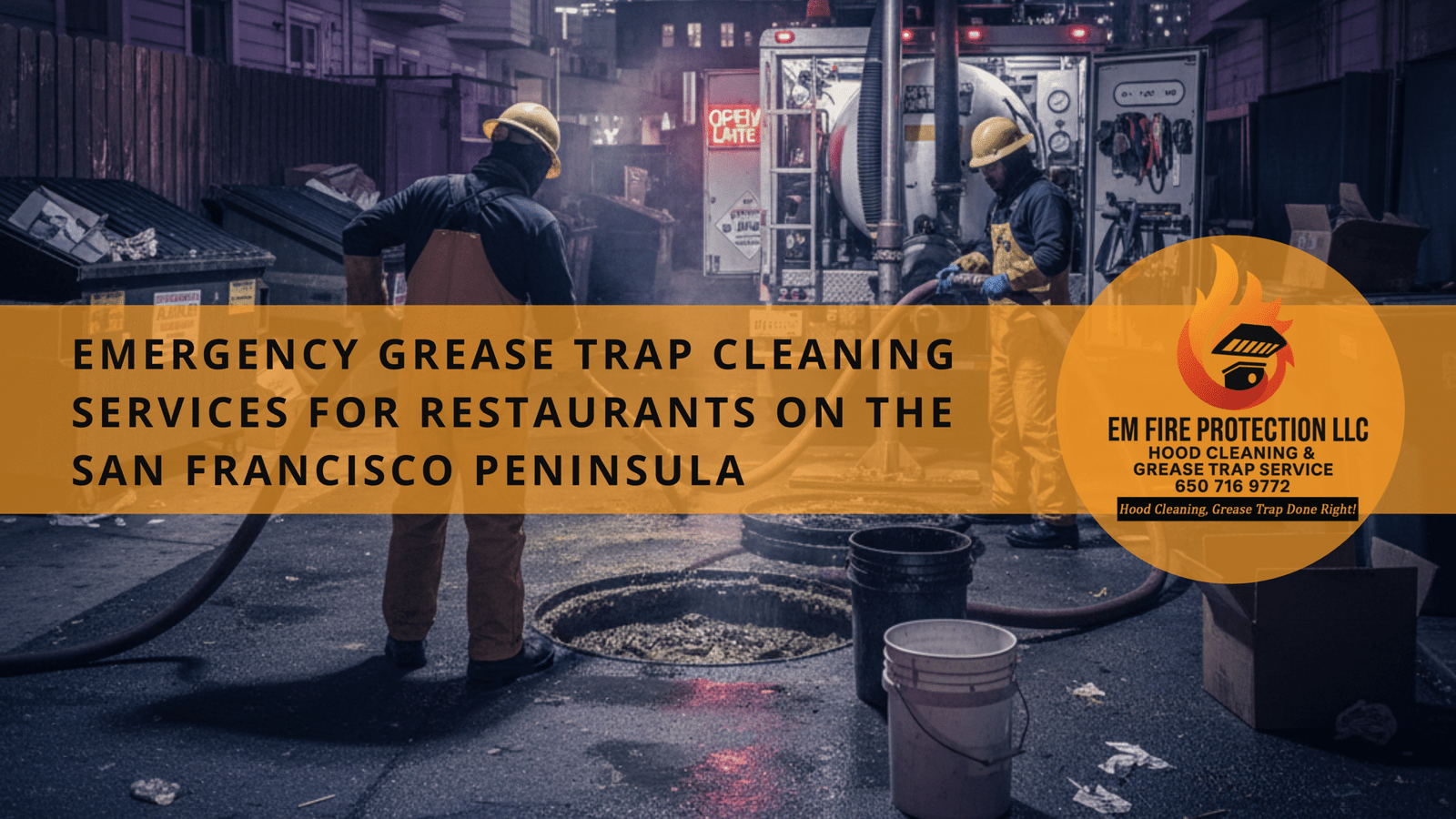
Professional emergency grease trap cleaning is a systematic and thorough process designed to restore functionality quickly without disrupting your restaurant’s operations.
Step-by-step process:
- Immediate Assessment: Technicians inspect the grease trap to determine the severity of the clog and the volume of grease buildup.
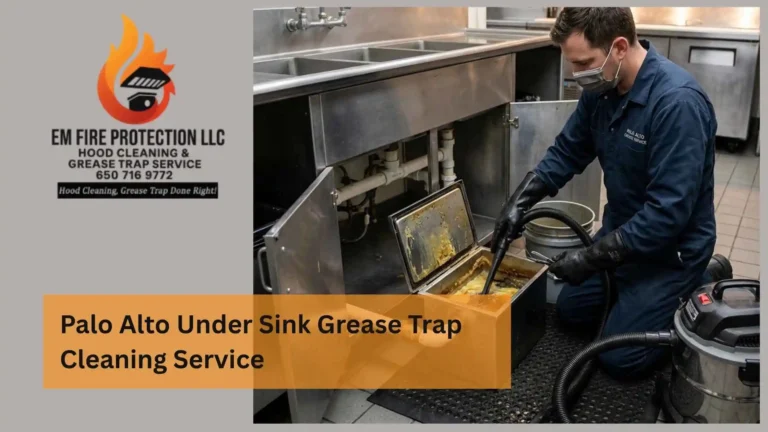
- Pumping & Removal: Specialized vacuum equipment is used to pump out grease, sludge, and wastewater from the trap.
- Deep Scrubbing: Interior surfaces are thoroughly cleaned to remove hardened grease and residues.
- Line Flushing: Drain lines are flushed to clear any blockages downstream.
- Inspection & Reporting: A post-cleaning inspection ensures proper flow and compliance with local regulations.
- Documentation: Many services provide reports or logs for health code records.
5. Why Professional Cleaning Beats DIY Solutions
Some restaurant owners are tempted to handle grease trap issues on their own to save costs. Unfortunately, DIY cleaning methods rarely provide a complete solution and often lead to recurring problems.
Why professional services are better:
- Industrial-grade equipment ensures the complete removal of grease and sludge
- Safe disposal methods in compliance with local FOG regulations
- Trained technicians can identify hidden issues before they escalate
- Minimal downtime so your kitchen can get back to business quickly
- Prevents fines, health violations, and future plumbing emergencies
6. Regulatory Compliance on the San Francisco Peninsula
Restaurants on the San Francisco Peninsula must comply with strict FOG control programs enforced by local municipalities. These programs are designed to prevent grease-related sewer blockages, overflows, and environmental damage.
Key compliance points include:
- Routine grease trap maintenance and record keeping
- Proper disposal of collected grease at approved facilities
- Following local schedules for trap inspection and pumping
- Keeping proof of service to present during health inspections
Hiring a professional grease trap cleaning service ensures your business remains fully compliant, avoiding legal or financial penalties.
7. How Often Should Grease Traps Be Cleaned?
The frequency of grease trap cleaning depends on your restaurant’s size, menu, and daily foot traffic. As a general rule:
- Every 1 to 3 months: Typical for high-volume kitchens
- Monthly: Recommended for most restaurants to stay ahead of buildup
- Emergency cleanings: Anytime warning signs appear or after inspections
Following a scheduled maintenance plan prevents emergencies before they happen, keeps your plumbing flowing smoothly, and ensures compliance with local regulations.
8. Choosing the Right Emergency Grease Trap Cleaning Service
When your restaurant is in crisis, you need a team that responds fast and gets the job done right. Here’s what to look for in a trusted provider:
- 24/7 emergency response
- Licensed and insured technicians
- Local experience with FOG compliance regulations
- Advanced pumping and cleaning equipment
- Transparent pricing and clear documentation
- Flexible scheduling to minimize operational disruption
Working with the right professionals ensures less downtime, safer kitchens, and peace of mind for your entire team.
9. Preventing Future Emergencies with Routine Maintenance
While emergency services are vital in critical moments, the best way to avoid costly surprises is by establishing a regular maintenance routine.
Preventative strategies:
- Schedule routine pumping before the grease trap reaches 25% capacity
- Train kitchen staff on proper grease disposal (e.g., no FOG down the drain)
- Install strainers in sinks to catch solid food waste
- Keep a service log to track maintenance dates and technician visits
This proactive approach not only prevents emergencies but can also extend the lifespan of your plumbing system.
Final Thoughts: Fast Response Protects Your Business
When a grease trap emergency strikes, every minute counts. A clogged trap can halt kitchen operations, create unpleasant conditions, and expose your business to steep fines. Professional emergency grease trap cleaning services on the San Francisco Peninsula provide the fast, thorough solution you need to keep your restaurant compliant, clean, and fully operational.
Call to Action
Don’t let a clogged grease trap shut down your business. Our expert team provides 24/7 emergency grease trap cleaning services tailored for restaurants on the San Francisco Peninsula. From rapid response to full compliance documentation, we help you get back to serving customers, fast. Contact us today to schedule emergency service or set up a preventative maintenance plan.