Running a high-volume kitchen on the San Francisco Peninsula is no small task. Whether you manage a bustling restaurant in Palo Alto, a catering operation in Redwood City, or a commercial kitchen in San Mateo, maintaining cleanliness and safety is critical. One area that demands consistent attention is hood cleaning. The kitchen hood, ducts, and exhaust system work tirelessly to remove smoke, grease, and odors, but when not cleaned regularly, they can pose significant fire hazards and compromise air quality.
For businesses serving hundreds of customers daily, having a structured hood cleaning checklist ensures compliance with fire codes, protects your staff and patrons, and keeps operations running smoothly.
Why Hood Cleaning Is Essential in High-Volume Kitchens
1. Fire Safety Compliance
Grease buildup in hoods and ducts is a leading cause of restaurant fires. Regular cleaning significantly reduces the risk of flare-ups.
2. Health & Sanitation
Unclean hoods can harbor bacteria, mold, and foul odors, which may affect food quality and staff health.
3. Equipment Longevity
A clean exhaust system reduces strain on fans and motors, helping your ventilation system last longer.
4. Code & Insurance Requirements
On the San Francisco Peninsula, local fire marshals and insurance companies require strict adherence to cleaning schedules. Non-compliance can lead to fines, penalties, or loss of insurance coverage.
How Often Should You Clean a Kitchen Hood?
The frequency of cleaning depends on kitchen activity levels:
- High-volume kitchens (24/7 or heavy frying/grilling): Every month
- Moderate-volume kitchens (sit-down restaurants, cafeterias): Every 2–3 months
- Low-volume kitchens (churches, seasonal operations): Every 6–12 months
For restaurants along the Peninsula where customer demand is high, sticking to a monthly hood cleaning schedule is the safest approach.
Hood Cleaning Checklist for High-Volume Kitchens
Here’s a practical checklist tailored for kitchens across San Francisco, Redwood City, San Mateo, and the surrounding Peninsula areas.
Daily Cleaning Tasks
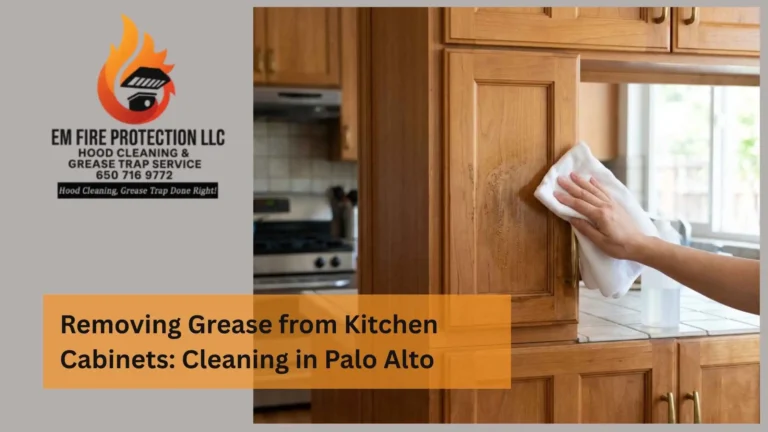
- Wipe down the exterior of the hood with a degreaser.
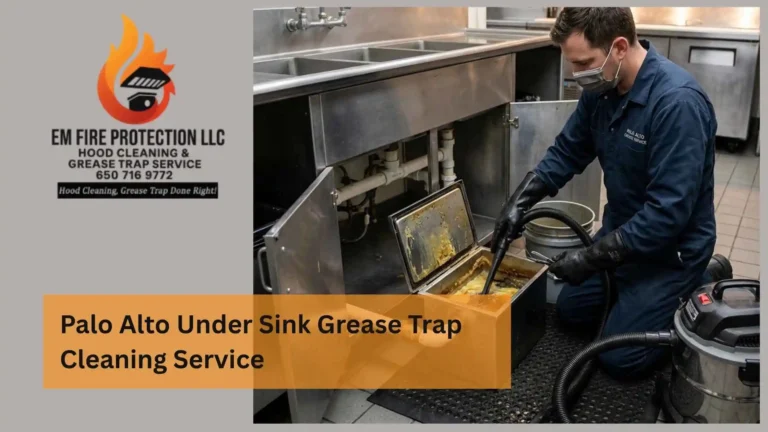
- Clean grease traps to prevent overflow.
- Inspect filters for heavy buildup and wipe off visible grease.
- Ensure exhaust fans are working efficiently.
Weekly Cleaning Tasks
- Remove and soak grease filters in a hot, soapy degreaser solution.
- Clean light fixtures near the hood to reduce grease film buildup.
- Wipe down walls, backsplash, and nearby surfaces exposed to grease.
- Inspect hood ducts visually for signs of excessive grease.
Monthly or Professional Cleaning Tasks
- Perform a deep cleaning of hood interiors and ductwork.
- Scrape grease buildup from fans, motors, and ducts.
- Replace worn-out or clogged filters.
- Inspect fire suppression systems for functionality.
- Document cleaning activity for compliance records.
Professional Hood Cleaning vs. In-House Cleaning
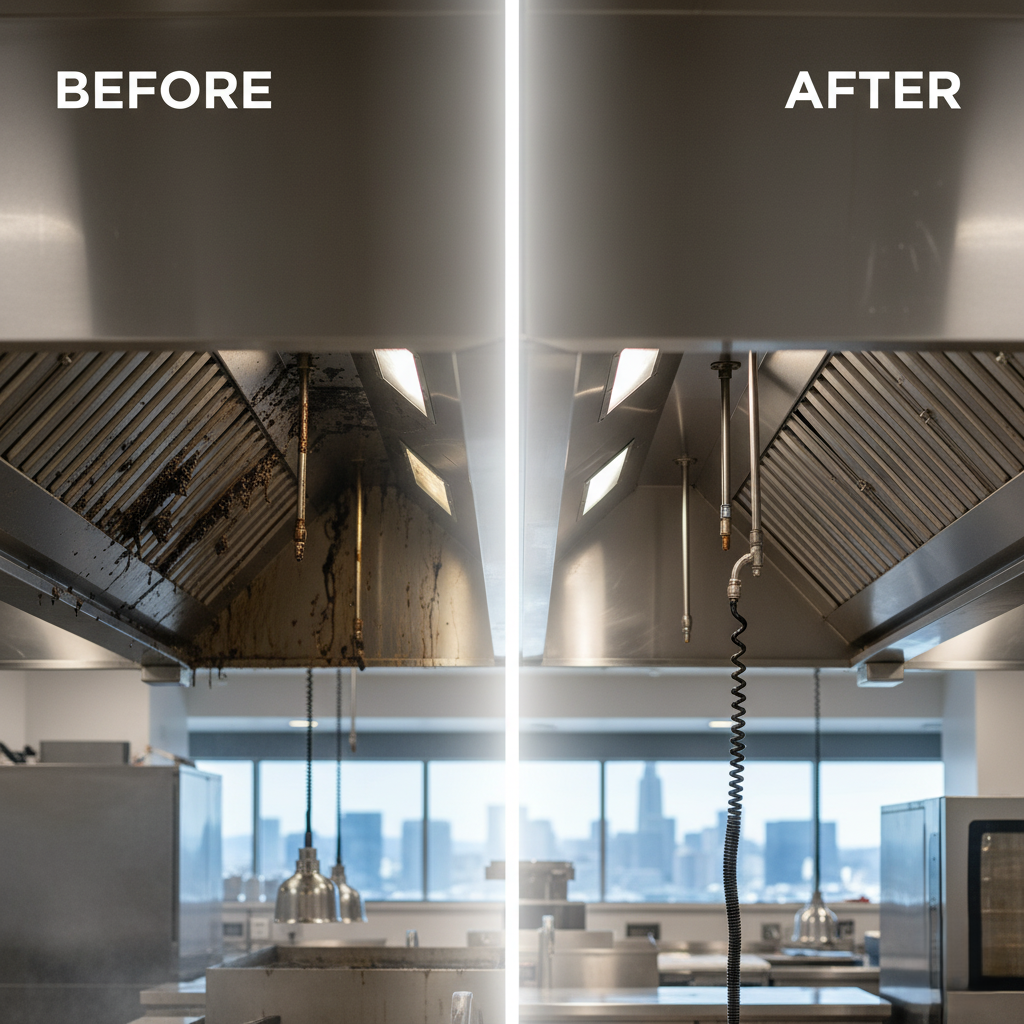
While staff can handle daily and weekly maintenance, professional hood cleaning is mandatory for deep cleaning and compliance. Certified professionals use powerful steam cleaners, scrapers, and chemical degreasers to remove grease from areas that are impossible to reach manually.
On the San Francisco Peninsula, restaurants face strict fire codes, and only licensed cleaning providers can issue compliance certificates recognized by fire inspectors and insurance companies.
Tips for Managing Hood Cleaning in High-Volume Kitchens
- Schedule After Hours: Plan professional cleanings after closing time to minimize disruption.
- Keep Logs: Maintain a cleaning logbook for inspectors and insurance audits.
- Train Staff: Ensure all staff members know their daily cleaning responsibilities.
- Use High-Quality Filters: Consider installing baffle filters that capture more grease.
- Partner with a Local Professional: Working with a trusted San Francisco Peninsula hood cleaning service ensures your system always passes inspection.
Why This Matters for the San Francisco Peninsula
The Peninsula’s restaurant industry is highly competitive, with customers expecting not just excellent food but also safe, clean environments. A grease fire can shut down a business overnight, while failing health inspections can damage your reputation. With rising operational costs in areas like Redwood City, Palo Alto, and Burlingame, preventive measures like regular hood cleaning protect both your investment and your staff.
Final Thoughts
For high-volume kitchens on the San Francisco Peninsula, a hood cleaning checklist is not just about cleanliness—it’s about safety, compliance, and efficiency. Daily wipe-downs, weekly filter care, and monthly professional services all play a role in keeping your kitchen safe and running smoothly.
By following this structured approach, you’ll reduce fire risks, prolong equipment life, and ensure your restaurant meets the region’s strict health and safety codes.
Call to Action
Looking for reliable professional hood cleaning services on the San Francisco Peninsula? Our expert team specializes in high-volume kitchen maintenance, ensuring your hood system is spotless, safe, and code-compliant. Contact us today to schedule your next cleaning and keep your kitchen operating at its best.