Introduction
Restaurants across the San Francisco Peninsula know that a well-maintained kitchen is essential for smooth operations, health compliance, and a positive customer experience. One of the most common issues that can affect kitchen hygiene and air quality is unpleasant odors coming from grease traps.
Grease traps are designed to capture fats, oils, and grease (FOG) from kitchen wastewater. Over time, however, trapped FOG, food particles, and bacteria can create foul odors, attracting pests and creating an unhealthy environment. Proper grease trap odor removal is essential not just for comfort but also for compliance with local health and sanitation regulations.
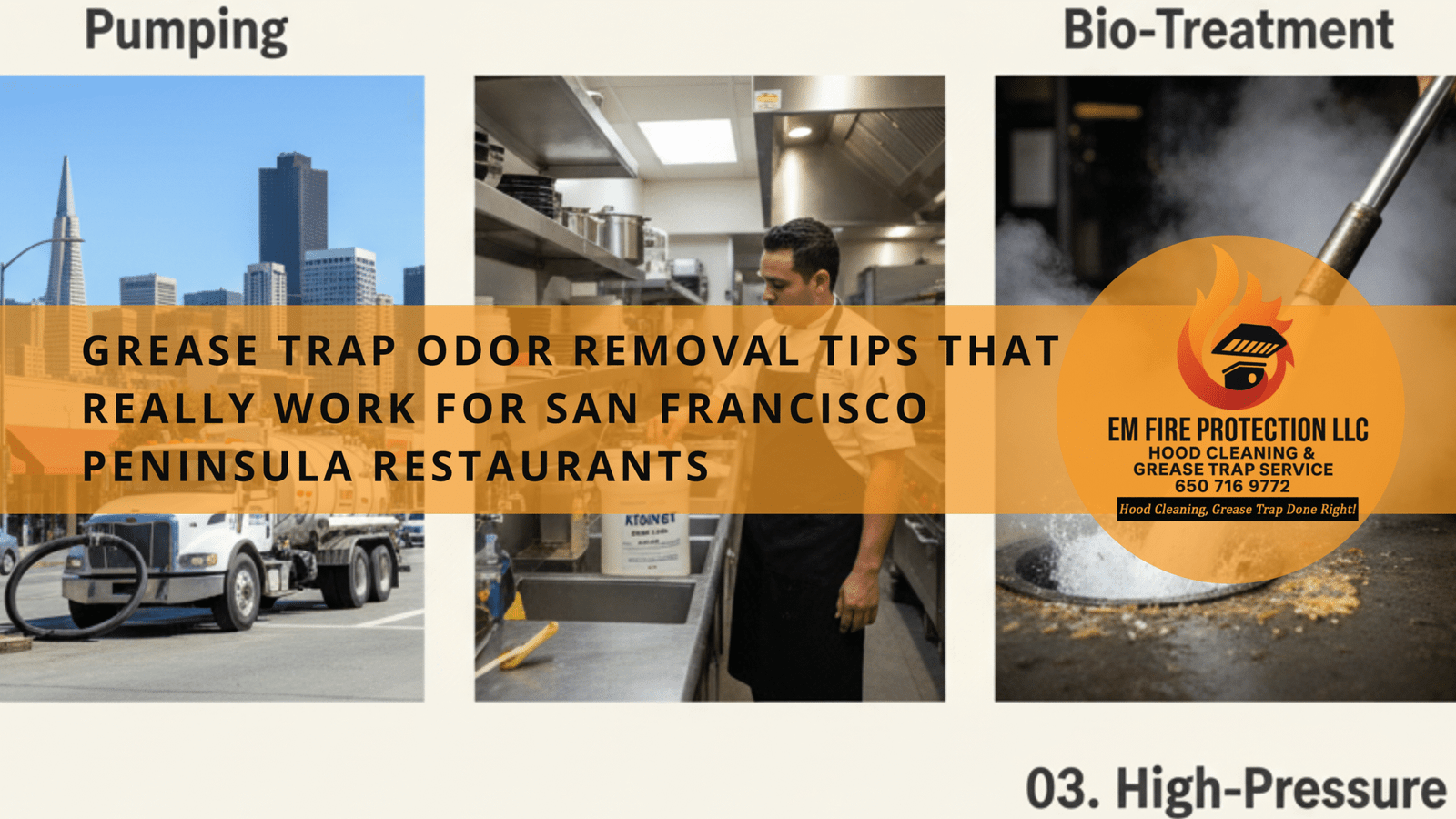
This blog explores Grease Trap Odor Removal Tips That Really Work for San Francisco Peninsula Restaurants
Why Grease Trap Odors Occur
Understanding the source of odors is the first step to effective removal. Common causes include:
- Accumulated Fats, Oils, and Grease (FOG): Over time, these substances decompose and produce a strong, unpleasant smell.
- Food Debris: Leftover food trapped in the grease trap fosters bacterial growth and odors.
- Infrequent Cleaning: Skipping regular cleaning or maintenance allows buildup to reach odor-producing levels.
- Bacterial Growth: Anaerobic bacteria thrive in stagnant grease, creating foul gases like hydrogen sulfide.
Tip #1: Schedule Regular Grease Trap Cleaning
The most effective way to prevent odors is consistent cleaning.
- Frequency: Most restaurants in the San Francisco Peninsula should schedule grease trap cleaning every 1–3 months, depending on kitchen volume.
- Professional Service: Licensed cleaning companies have the tools and expertise to remove grease, sludge, and food debris thoroughly.
Benefits: Prevents foul smells, reduces pest attraction, and ensures compliance with local regulations.
Tip #2: Use Biological Treatments
Biological or enzymatic treatments are eco-friendly solutions that help break down fats, oils, and grease naturally.
- How they work: Beneficial bacteria digest organic waste, reducing buildup and odor.
- Application: Pour according to the manufacturer’s instructions directly into the grease trap or drainage system.
- Advantages: Safe for plumbing, non-toxic, and supports ongoing odor control between cleanings.
Tip #3: Implement Proper Kitchen Practices
Prevention is just as important as cleaning. Encourage kitchen staff to:
- Scrape plates into the trash before washing.
- Use sink strainers to catch food particles.
- Avoid pouring grease directly down drains.
- Run hot water to help grease flow into the trap efficiently.
These practices reduce the amount of FOG entering the grease trap, minimizing odor buildup.
Tip #4: Ensure Proper Ventilation
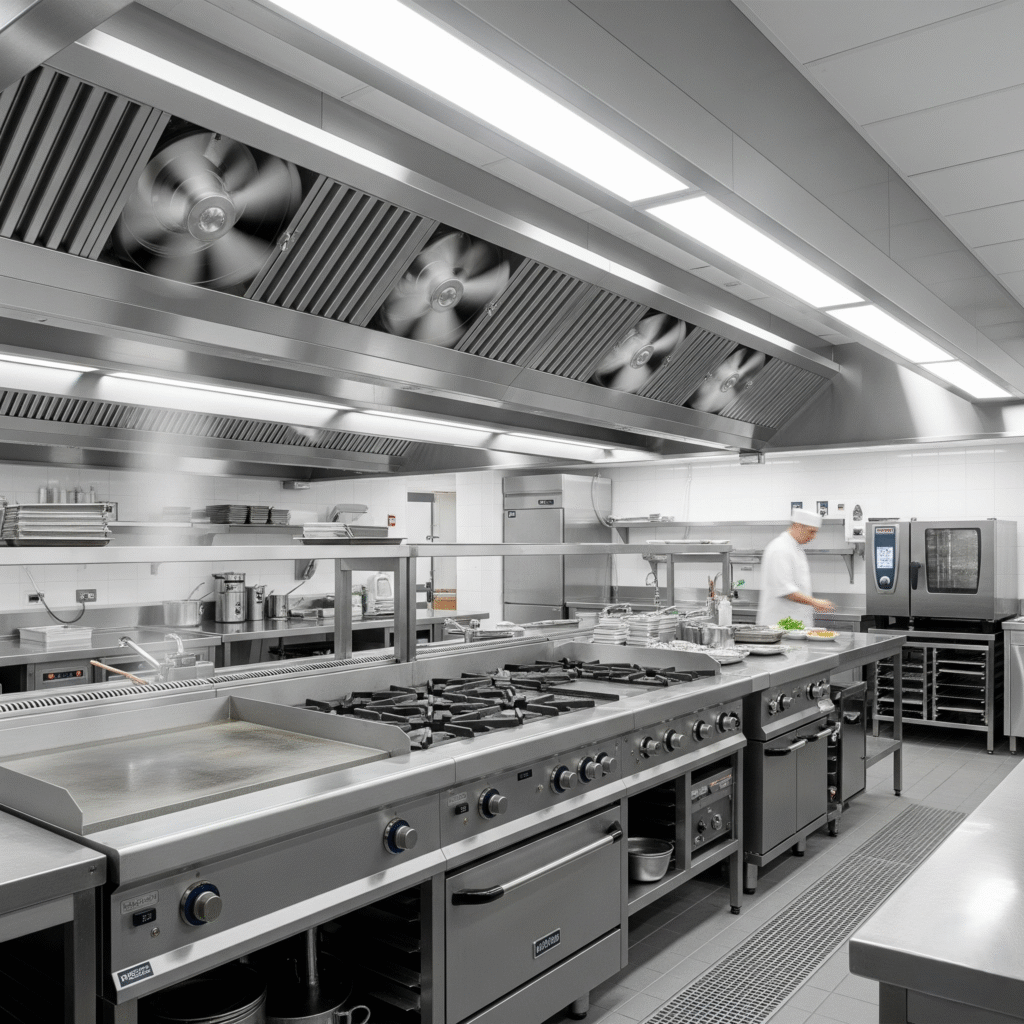
Odors can linger if the kitchen lacks adequate airflow. Maintaining clean vents and hoods helps:
- Remove airborne grease particles
- Circulate fresh air
- Reduce odor concentration near cooking areas
Regular hood and duct cleaning complements grease trap maintenance and keeps the kitchen smelling fresh.
Tip #5: Use Odor-Neutralizing Products
For immediate relief between cleanings, odor-neutralizing products can be effective:
- Deodorizers: Safe chemicals designed to neutralize foul smells without harming plumbing.
- Activated Carbon Filters: Absorb odors and help maintain air quality in the kitchen.
- Routine Sprays: Use in ventilation areas near the grease trap to keep smells minimal.
Tip #6: Keep Documentation for Compliance
San Francisco Peninsula health codes require records of grease trap cleaning and maintenance. Keeping detailed logs helps:
- Demonstrate compliance during inspections
- Track cleaning schedules
- Avoid fines or penalties
Professional cleaning services provide certificates and service records that simplify compliance management.
Conclusion
Grease trap odors are a common challenge for San Francisco Peninsula restaurants, but they can be effectively managed with proper maintenance, biological treatments, preventive kitchen practices, and professional cleaning. Regular upkeep not only eliminates unpleasant smells but also ensures a safer, healthier, and more compliant kitchen environment.
By combining these strategies, restaurant owners can maintain a fresh-smelling kitchen, improve air quality, and protect their business reputation.
Call to Action
Struggling with grease trap odors in your San Francisco Peninsula restaurant? Contact our professional grease trap cleaning team today. We provide thorough cleaning, odor elimination, and compliance documentation to keep your kitchen fresh, safe, and inspection-ready. Schedule your service now!